

11 Steps to Implementing a Successful Healthcare Compliance Management Platform
According to the HIPAA Journal, from 2009 to 2023, there were 5,887 reported healthcare data breaches involving over 500 records. Hacking was the leading cause of these breaches, resulting in the exposure of over 519 million medical records. These statistics highlight the increasingly volatile situation within the healthcare sector, impacting patient safety and privacy, as well as the credibility of healthcare organizations. The question is, how can institutions safeguard their data and protect themselves from fraudulent activities and breaches? In this article, we will explore the concept of healthcare compliance management, discuss its benefits and challenges, explain what is meant by compliant healthcare software and provide 11 steps to implementing a healthcare compliance management system in your organization.
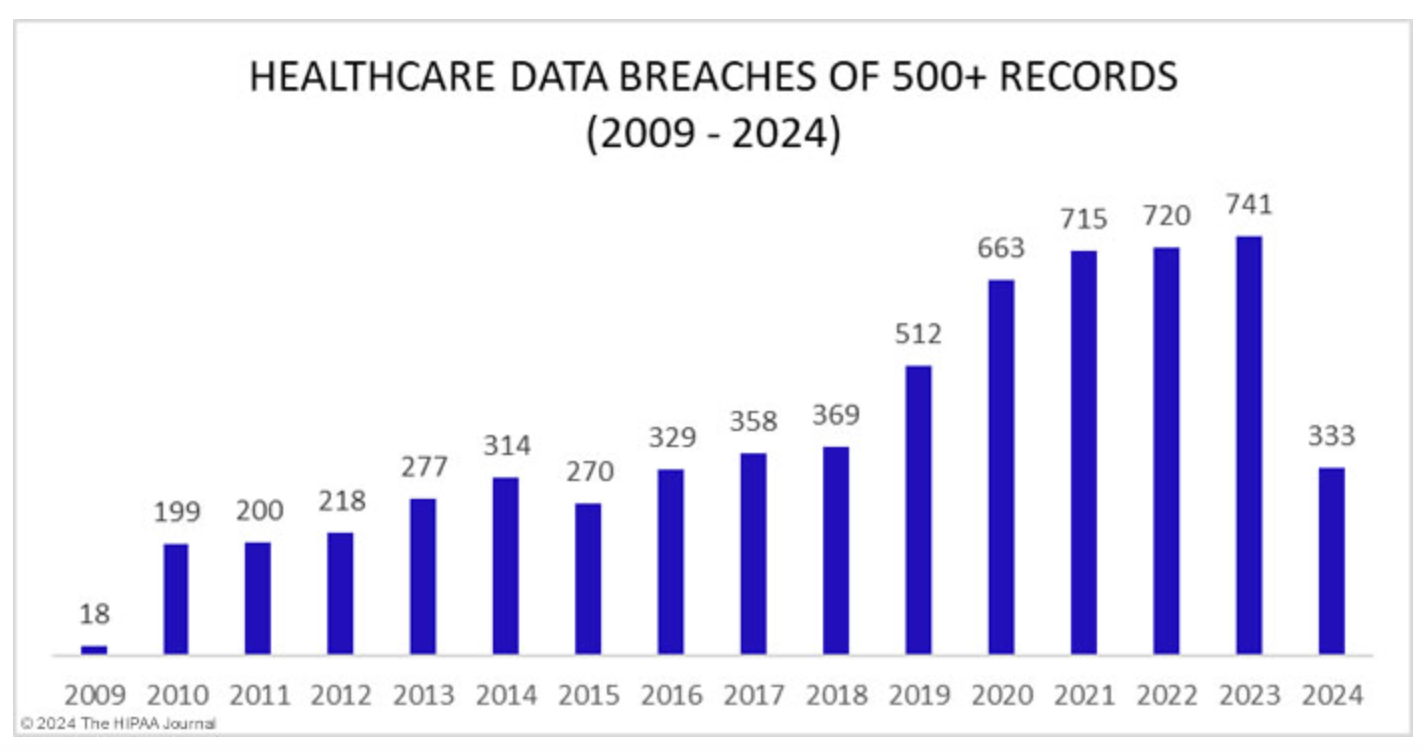 These statistics highlight the increasingly volatile situation within the healthcare sector, impacting patient safety and privacy, as well as the credibility of healthcare organizations.
The question is, how can institutions safeguard their data and protect themselves from fraudulent activities and breaches?
In this article, we will explore the concept of healthcare compliance management, discuss its benefits and challenges, and provide 11 steps to implementing a healthcare compliance management system in your organization.
These statistics highlight the increasingly volatile situation within the healthcare sector, impacting patient safety and privacy, as well as the credibility of healthcare organizations.
The question is, how can institutions safeguard their data and protect themselves from fraudulent activities and breaches?
In this article, we will explore the concept of healthcare compliance management, discuss its benefits and challenges, and provide 11 steps to implementing a healthcare compliance management system in your organization.
What is healthcare compliance management?
Healthcare compliance is a set of measures taken by a healthcare institution to prevent fraudulent acts and abuse within an organization. These measures are typically ongoing and involve sticking to legal and professional requirements that are clearly communicated and accepted within the organization. The cornerstone of regulatory compliance in healthcare is an organized plan, documented within the company's policies, consisting of specific components and requirements.What are some examples of healthcare compliance acts?
Here is an overview of several key acts and statutes related to healthcare compliance:-
HIPAA (Privacy and Security Rule)
-
Anti-Kickback Statute (AKS)
-
False Claims Act (FCA)
-
Physician Self-Referral Law (Stark Law)
-
Federal Food, Drug, and Cosmetic Act (FD&C)
Why is healthcare compliance management important?
Implementing a robust organizational compliance program offers significant benefits to healthcare institutions. An effective compliance program aids in many ways, including but not limited to the following.-
Early detection of issues
-
Promotion of a culture of integrity
What are the benefits of healthcare compliance management software?
The implementation of healthcare security and compliance solutions brings a plethora of benefits to healthcare organizations. Below are some examples.-
Enhanced treatment and care
-
Better coordination
-
Cost efficiency
-
Streamlined processes
What are the challenges of using compliance management software?
While compliance management software can streamline many processes within an organization, it also may come with some challenges.-
Poor quality of data
-
Legacy software and overall system integration hurdles
-
Variations and non-consistency
-
Staff training
-
Updates and continuous improvements
What are the different types of healthcare compliance management tools?
Healthcare compliance is supported by a range of solutions, each designed to address specific aspects of compliance management. Below are five essential categories of healthcare compliance management tools along with their functionality and benefits.Credentialing/Privileging/Peer Review Software
This software handles the comprehensive provider data lifecycle. It covers verification, credentialing, payer enrollment, privileging, peer review, quality improvement, and risk management. Key benefits:- Accelerates turnaround times
- Enhanced security
- Streamlined workflows
- Reduces manual tasks and paper processes
- Frees up staff who can focus on higher-value activities
Vendor compliance and credentialing management software
This software ensures all vendors meet your organization’s specific requirements prior to credentialing. It may feature real-time tracking dashboards for on-site and virtual access. Key benefits:- Vendor access control
- Funding management
Visitor management software
This tool manages access to healthcare facilities with secure, efficient check-ins and customizable visitor limits and requirements. Key benefits- Visitor access control
- Enhanced preparedness for emergency situations
HIPAA Compliance Software
This software guides users through HIPAA compliance, covering Privacy, Security, Breach Notification, and Omnibus Rules. The main goal is to help with the HIPAA risk assessment process in identifying, tracking, and mitigating risks. Key benefits:- Compliance with HIPAA provisions
- Documentation of compliance activities
Billing compliance software
Available in various forms, this software may use automation and AI compliance tools to review medical records for compliant billing, and supports computer-assisted coding and documentation. Key benefits:- Proactive denial management
- Tracking and analyzing denial trends
- Enhanced accuracy in medical coding
Connecteam
Primary Focus: All-in-one healthcare compliance solution Key Features: Full HIPAA compliance, knowledge base, employee training tools, customizable forms and checklists, employee messaging, task tracking Pricing: Free-for-life plan, premium plans from $29, 14-day free trial Pros: Centrally and securely stored compliance documents, support compliance with real-time employee communication, easy training for employees, notification on upcoming certification expiration dates Cons: More integrations on the wayNavigateHCR
Primary Focus: Employee health benefits compliance Key Features: Compliance communications, exposure analytics, functional data, concierge services Pros: Comprehensive benefits management, bilingual support Cons: Pricing not public, limited to employee benefitsSafetyCulture
Primary Focus: Workplace inspections Key Features: Automated inspection and audit reminders, compliance analytics dashboards with customizable insights, branded checklists and reports, task tracking Pricing: Starts at $19/user/month Pros: Multi-device support, 24-hour support Cons: Not HIPAA compliant, per-user pricing adds upHealthicity
Primary Focus: Medical chart auditing Key Features: Customizable platform, audit management, compliance management, mobile app Pricing: Starts at $500/month Pros: Healthcare-specific, consultancy services Cons: Separate pricing for toolsHIPAA Secure Now
Primary Focus: Cybersecurity Key Features: Cybersecurity training, document tracking, HIPAA risk assessments, employee training records Pros: Comprehensive HIPAA support, continuous training Cons: Web form support only, pricing not publicWhat are the key steps to successful implementation of a healthcare compliance management platform?
Implementing healthcare compliance management software requires substantial investments of time and resources. However, when approached wisely and gradually, it will inevitably lead to positive outcomes. Follow the steps below to achieve success in your healthcare compliance management software efforts. Step 1. Define goals and requirements- Identify specific compliance regulations and standards relevant to your organization (e.g., HIPAA, FCA, FD&C).
- Conduct a needs assessment to understand the current compliance situation and gaps, if any.
- Create a compliance plan outlining the organization’s commitment to compliance.
- Include procedures and standards, such as going through internal coding reviews regularly.
- Appoint a designated compliance officer responsible for the implementation.
- Build a committee to collaborate with the compliance officer.
- Involve key stakeholders in the planning process. Depending on the size of your organization this may include compliance officers, IT department members, healthcare professionals, and legal advisors.
- Gather insights and pain points to make sure the platform meets the needs of all users.
- Choose a compliance management platform that aligns with your organization’s requirements. Some tools provided in the earlier sections may help with this.
- Ensure the platform is scalable, user-friendly, and integrates with existing systems.
- Create comprehensive training programs for all users to understand the platform and process compliance requirements.
- Use various training methods (videos, presentations, and trials) to ensure this understanding.
- Establish mechanisms for employees to ask questions and report potential noncompliance.
- Ensure confidentiality to prevent possible conflicts.
- Build a detailed plan with timelines, milestones, and roles.
- Include a risk management plan to address potential challenges during implementation.
- Plan for regular internal monitoring, such as coding and billing spot checks.
- Conduct formal audits, potentially involving outside consultants, to ensure ongoing compliance.
- Post compliance guidelines and ensure accountability at all levels, including the CEO and board members.
- Establish procedures for handling noncompliance, including disciplinary actions.
- Outline steps for responding to compliance breaches in the compliance plan.
- Develop initiatives to address and resolve issues effectively.
Where to start?
The successful implementation of healthcare compliance management software requires the time and effort of several designated teams. Most of these steps are easy to follow, especially if your organization is accustomed to setting clear guidelines and plans for enhanced efficiency. However, there are still parts that may raise concerns and cause obstacles, particularly when it comes to the technical aspects of the process, such as training the IT team, selecting the right platform, integrating with existing legacy systems, and ongoing software updates and improvements to meet the growing needs of the organization. In such cases, a better solution would be to collaborate with a team of experienced professionals who can assist at every step of this laborious process, or to build a custom software solution. Kanda Software is your trusted partner for the successful development and/or implementation of healthcare compliance management platforms. Whether you’re dealing with HIPAA Privacy and Security Rules or FDA requirements, our 25+ years of software development and deployment experience will come in handy in finding the optimal and scalable solution to address your business needs. With a highly qualified team of professionals specializing in compliance automation, AI compliance solutions, data management, and engineering, among a large clientele of healthcare vendors, Kanda is here to help with your compliance needs. Talk to our experts today to find the easiest path to achieving your compliance goals. Start saving time on mundane tasks and free up your team to provide improved care and treatment with the help of Kanda.Related Articles

CMS Prior Authorization Rule 2026: What Health Systems and Payers Actually Need to Build by October 2027
Key Takeaways The 2026 CMS Prior Authorization (CMS-0062-P) rule extends electronic prior authorization requirements to drugs for the first time, closing a major gap left by the 2024 rule. The hard compliance deadline is October 1, 2027 - by that date, systems must be live, not in development or testing. Compliance requires three major technical…Learn More
Unlocking Actionable Insights from Medical Data with Clinical NLP
Key Takeaways Clinical NLP extracts useful details from notes, reports, and other free-text records so teams can work with them. The clearest use cases include coding support, trial matching, safety monitoring, registry work, and population health. The output is only useful if it connects to the standards healthcare teams already use: SNOMED CT, RxNorm, LOINC,…Learn More
Why Omics and Clinical Data Integration Remain a Challenge and How to Fix It
Key Takeaways Omics and clinical data often remain separate, making them harder to use together than they should be. The main challenge is usually not the data itself, but the mismatched formats, siloed systems, and disconnected teams surrounding it Addressing that requires robust infrastructure, shared standards, and workflows that hold up without constant manual intervention.…Learn More
AI Copilots in Healthcare: Minimizing Diagnostic Risks With Smart Virtual Assistants
Key Takeaways AI copilots act as always-on virtual assistants managing documentation, triage, and decision support so clinicians can focus on patients. With 12 million diagnostic errors and up to 80,000 deaths annually, AI copilots are built to catch what overloaded clinicians miss, not replace them. Dragon Copilot saves clinicians around 5 minutes per encounter with…Learn More