

7 Software Innovations to Fix Your Aviation Ops
Running aviation operations means dealing with flight scheduling conflicts that cause expensive delays, fuel costs that change unpredictably, maintenance tracking problems that ground aircrafts when you need them most, crews spread across time zones, constant regulatory requirements, and data trapped in systems that don't talk to each other.
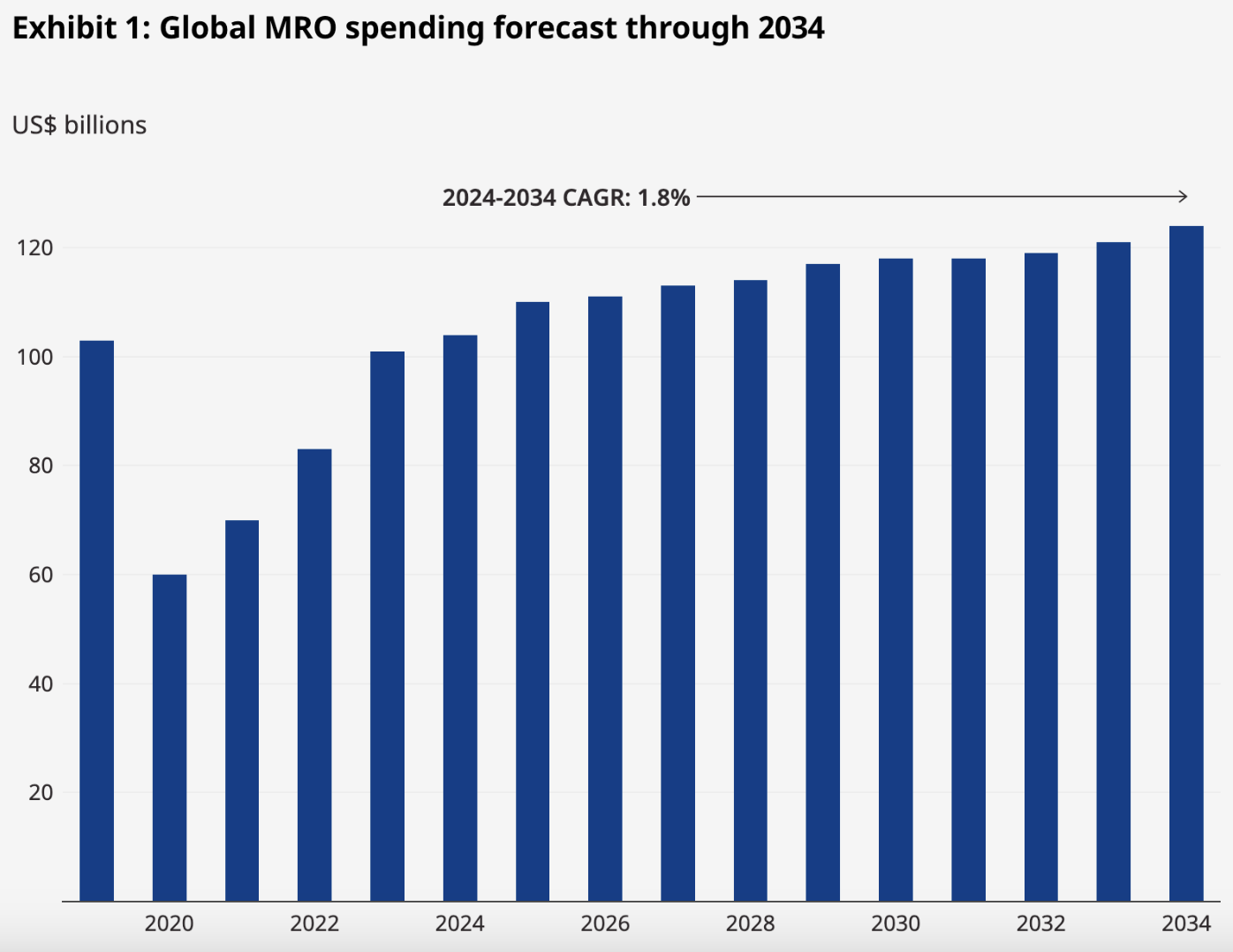
According to IATA's 2025 report, supply chain challenges alone are projected to cost the aviation industry over $11 billion this year. Meanwhile, Oliver Wyman's MRO forecast shows global maintenance spending hitting $104 billion in 2024. Add to this the fact that cybersecurity threats have become the number one risk for 2025, with ransomware attacks against aviation targets increasing by 600% in a single year. These operational challenges demand smarter software solutions.
The good news is that things have improved. Today's aviation management software tackles these challenges using cloud-based platforms, AI-powered analytics, and integrated flight operations systems that bring everything together. We'll cover 7 practical solutions that airlines and operators are using successfully, along with what you should think about before adopting them yourself.
 Source: Oliver Wyman
1. Real-Time Flight Operations Management Systems
Centralized Data for Instant Decision-Making
Flight operations management systems have come a long way from the days of scattered spreadsheets and disconnected databases. Today's platforms aggregate data from multiple sources, like weather feeds, aircraft status, crew availability, and air traffic control communications, into a single picture that provides real-time visibility into fleet performance and operational data. Why does this matter? Because according to Airlines for America, the average cost of aircraft block time for U.S. passenger airlines reached $100.76 per minute in 2024. Each minute of delay that could have been avoided with clearer visibility bites into the bottom line and leaves passengers stranded at the gate. Modern solutions catch those problems early. Automated flight‑planning software plots routes and tracks aircrafts in real time, while analytics surface insights you might otherwise miss, such as recurring weather patterns that routinely delay particular routes or maintenance needs that surface after specific flight profiles. That lets operations managers stay ahead, making data‑driven decisions before a minor hiccup turns into a costly disruption.Integration with Existing Aviation Infrastructure
One of the biggest concerns aviation executives raise is integration with legacy systems. Nobody wants to rip out existing infrastructure that took years to implement. Modern aviation ops platforms handle this with strong API capabilities and support for industry-standard protocols set forth by organizations like ICAO or FAA. Data migration strategies have gotten much better, and many providers now offer phased implementation that lets you roll things out gradually without disrupting day-to-day operations. The idea is to improve what you already have and optimize your existing tools, not tear it all out and start over.2. Cloud-Based Aviation Software for Scalable Operations
Benefits of Cloud Infrastructure in Aviation Ops
The aviation cloud market tells an interesting story. According to MarketsandMarkets research, this sector is projected to grow from $6.1 billion in 2024 to $12.9 billion by 2029 with a compound annual growth rate of 16.1%. Airlines are voting with their budgets, and they're voting for cloud.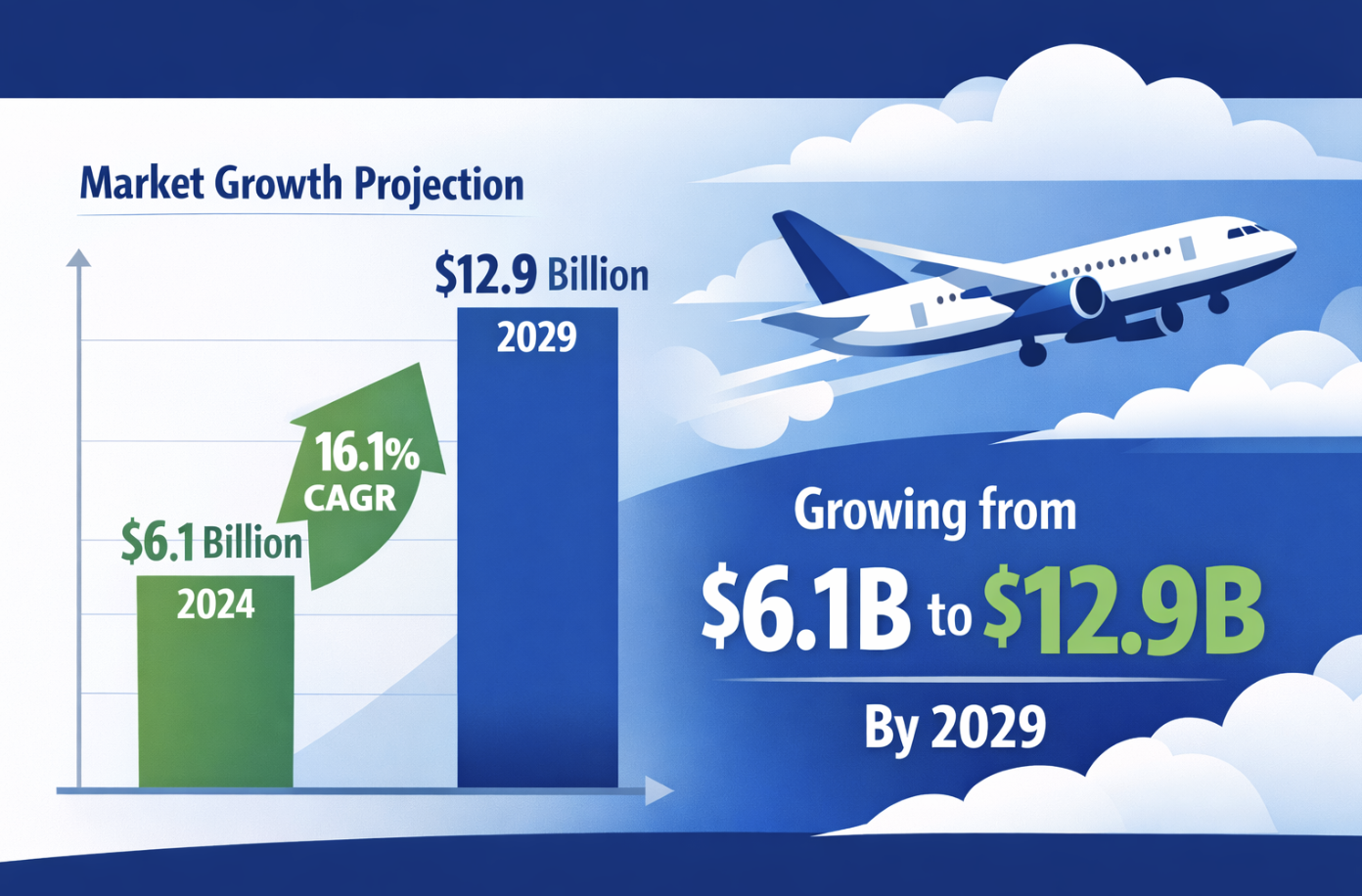 The reasons are straightforward. Cloud-based aviation software lets your team access systems from anywhere which matters when you're managing flight operations across multiple airports and time zones. Automatic updates mean your IT team doesn't have to manage on-premise infrastructure. Disaster recovery capabilities are built in. And instead of large upfront capital expenditures, you pay predictable operational costs.
Compare that to traditional on-premise solutions: you pay for hardware upfront, handle ongoing maintenance, deal with limited scalability, and need dedicated IT staff to keep everything running. For many operators, especially those growing or dealing with seasonal demand fluctuations, cloud infrastructure just makes more financial sense.
The reasons are straightforward. Cloud-based aviation software lets your team access systems from anywhere which matters when you're managing flight operations across multiple airports and time zones. Automatic updates mean your IT team doesn't have to manage on-premise infrastructure. Disaster recovery capabilities are built in. And instead of large upfront capital expenditures, you pay predictable operational costs.
Compare that to traditional on-premise solutions: you pay for hardware upfront, handle ongoing maintenance, deal with limited scalability, and need dedicated IT staff to keep everything running. For many operators, especially those growing or dealing with seasonal demand fluctuations, cloud infrastructure just makes more financial sense.
Multi-Location Coordination and Collaboration
Cloud platforms do something that used to be really difficult: they unify data across airports, maintenance facilities, and corporate offices. Teams work from the same information, with role-based permissions so users see what they need without accessing sensitive data they shouldn't. Real-time synchronization means when a maintenance technician in one location updates an aircraft status, operations controllers at headquarters see it right away. This kind of full visibility and real-time access to critical data supports operational needs across the entire fleet. Version control stops the problem of outdated information getting passed around through email chains. Old siloed systems that were specific to each location now can’t keep up.3. Predictive Maintenance Software
AI-Powered Aircraft Health Monitoring
Machine learning has transformed aircraft maintenance tracking. By analyzing sensor data, maintenance records, and actual flight patterns, algorithms now forecast when parts will need attention. This eliminates the old approach of fixed maintenance schedules or waiting for failures. According to a NASA technical report, predictive maintenance strategies can cut maintenance costs by up to 30%. Honeywell's Connected Maintenance has proven this works. Airlines using their APU solutions have reduced operational disruptions by 30-50% and cut premature component removals by 10-15%. The technology establishes baselines using fleet data, which lets AI systems identify anomalies that point to developing problems. Engine health monitoring, hydraulic system tracking and avionics performance all feeds into algorithms that get smarter over time. Aviation operations management software can streamline and enhance flight scheduling, maintenance tracking, and regulatory compliance to keep your fleet operating at peak efficiency and safety.Cost Reduction Through Proactive Repairs
Aircraft spend less time grounded, which keeps schedules running and passengers satisfied. Parts inventory management becomes more efficient—no more overstocking or paying premiums for emergency orders. Maintenance teams operate more effectively when they have clear priorities about what actually needs work. Without predictive maintenance, you're dealing with unscheduled maintenance events that cost airlines between $10 million and $50 million per year, according to Honeywell. You don't have to prevent all of them to make advanced maintenance software worth it—even recovering a fraction of those costs justifies the investment.4. Automated Crew Scheduling and Management
Compliance-Driven Scheduling Automation
Crew management might be one of the most complex optimization problems in aviation. Crew scheduling means managing FAA regulations, union contracts, pilot qualifications, rest requirements, personal preferences, and operational demands all at once, often for thousands of pilots and crew members. The upcoming pilot shortage makes this harder: 42% of airline pilots are expected to retire within a decade. But modern software can handle this complexity. Research from ScienceDaily shows that automated crew planning prevents up to 80% of crew-related delays and saves airlines billions annually. The software uses algorithms that spot and fix scheduling conflicts before they disrupt operations. These systems also track qualifications, medical certifications, and training expiry dates, ensuring that only properly qualified crew members are assigned to flights. Integrated crew management and crew assignments ensure smooth and timely operations while helping organizations maintain regulatory compliance. The days of discovering a certification gap at the last minute should be behind us.Mobile Accessibility for Crew Members
Crew-facing mobile applications have become essential components of modern scheduling systems. Pilots and flight attendants can access their schedules, submit availability, request changes, and receive notifications directly on their devices. This two-way communication improves both crew satisfaction and scheduling accuracy. Disruptions happen. When they do, mobile connectivity allows instant crew reassignments that people can acknowledge immediately. Crew members get updates in real time instead of searching for information themselves. The benefits go beyond just scheduling—communications and engagement across the board improve. It mirrors how DevOps teams operate: continuous updates and quick responses to changing situations.5. Fuel Management and Optimization Software
Route Optimization Algorithms
Fuel remains the largest variable operating cost for most airlines. IATA data indicates that fuel accounts for approximately 25.5% of total operational expenses in North America. In 2024, U.S. airlines alone paid around $48.2 billion for fuel, which comes to over $132 million daily. The push toward sustainability adds another layer: Sustainable Aviation Fuel (SAF) is nearly 10 times more expensive than conventional fuel, making fuel efficiency optimization even more critical. Fuel management software attacks these costs from multiple angles. Route optimization algorithms analyze weather patterns, air traffic, aircraft performance characteristics, and fuel prices to recommend optimal flight plans and altitudes. According to IATA, based on assessments of returns from over 100 airlines, average fuel savings of 2-5% are achievable for most carriers using these tools.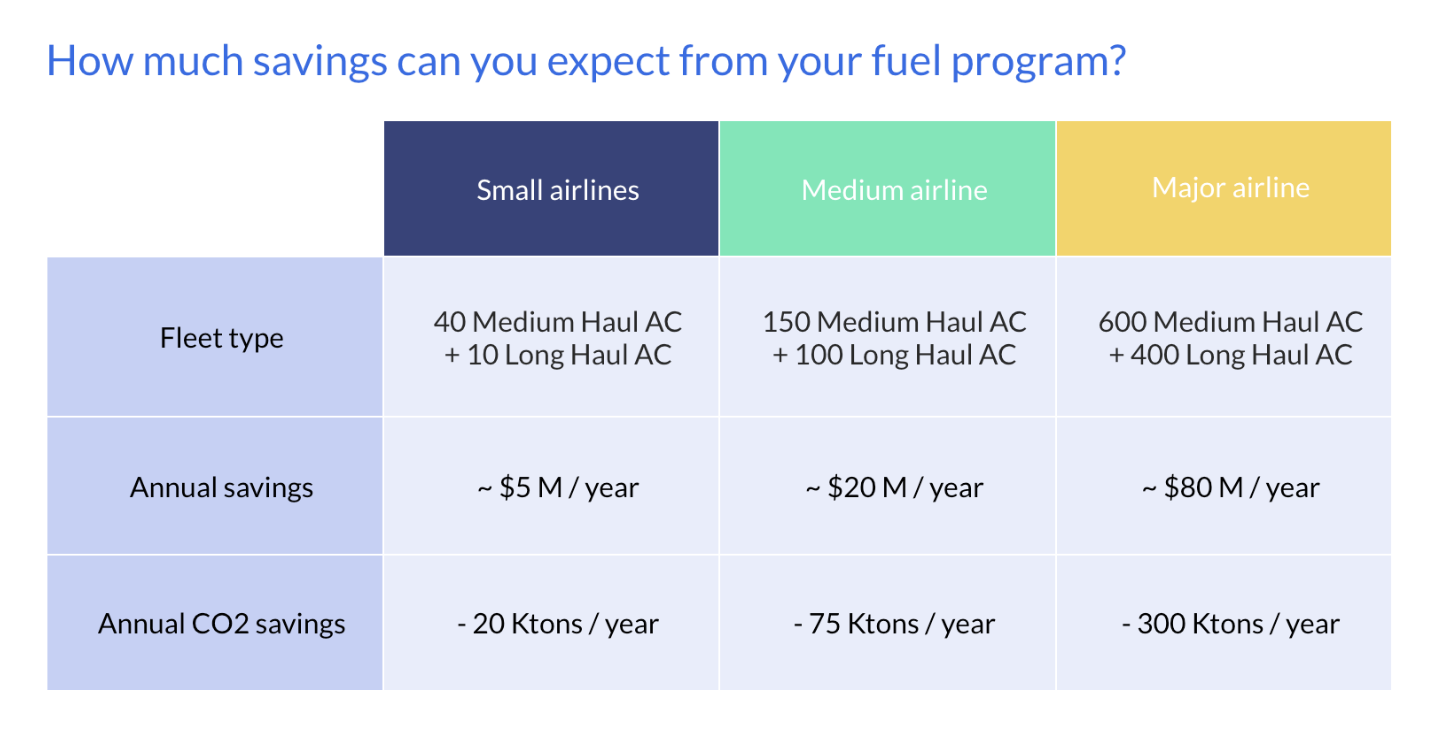 Source: OpenAirlines
The sophistication of these systems continues to increase. AI-powered analysis of flight data recorder information identifies opportunities that might not be obvious, like adjusting contingency fuel calculations based on actual historical fuel usage rather than conservative estimates. Flight path design and airspace analytics maximize airspace benefits while reducing fuel usage across your entire operation.
Source: OpenAirlines
The sophistication of these systems continues to increase. AI-powered analysis of flight data recorder information identifies opportunities that might not be obvious, like adjusting contingency fuel calculations based on actual historical fuel usage rather than conservative estimates. Flight path design and airspace analytics maximize airspace benefits while reducing fuel usage across your entire operation.
Carbon Footprint Tracking and Reporting
Environmental compliance is mandatory now. Regulations like CORSIA (Carbon Offsetting and Reduction Scheme for International Aviation), EU ETS, and UK ETS require airlines to track and report emissions with increasing precision. Modern fuel management platforms have emissions tracking built in alongside operational optimization. Data-driven insights from analytics can help aviation operators meet sustainability goals and reduce carbon emissions. Carbon offset calculations, automated regulatory reporting, and sustainability metrics are part of the workflow from the start, not tacked on later. For airlines with environmental commitments, which includes most major carriers now, this integration matters.6. Revenue Management and Dynamic Pricing Systems
Demand Forecasting for Aviation Operations
Aviation invented revenue management, but today's systems bear little resemblance to the variable pricing experiments of the 1980s. Modern software analyzes historical data, market trends, seasonal patterns, and competitor pricing to forecast demand with striking accuracy. Data from Accelya's FLX Revenue Management shows that advanced revenue management solutions can increase revenue by up to 20% in year one. Sabre's Revenue Optimizer reports similar gains of up to 2% incremental revenue and 20-30% better analyst productivity. Customizable reporting and insights help operators stay competitive and profitable in a challenging market. AI and ML have moved these systems beyond older statistical models. Airlines can adjust pricing in real-time based on what's happening in the market, competitor moves, and demand signals, maximizing revenue on every flight.Inventory Control Across Multiple Channels
Managing seat inventory has gotten more complex as distribution channels have multiplied. You're juggling direct bookings, GDS connections, OTA partnerships, and corporate accounts, all needing consistent availability and pricing. Today's systems run overbooking algorithms with better precision, finding the sweet spot between maximizing revenue and minimizing denied boardings. Ancillary revenue, like seat selection, baggage, or priority boarding, gets integrated into overall revenue management. Real-time availability updates stop you from overselling while letting you capture maximum demand.7. Integrated Safety and Compliance Management
Automated Regulatory Reporting
Regulatory oversight in aviation is tight. FAA, EASA, and national authorities demand detailed documentation, reporting, and compliance verification. Regulatory compliance ensures operations meet standards set by authorities, but manual processes for all of this are unmanageably slow. Aviation software handles much of this automatically now. Automated compliance tracking helps organizations stay ahead of regulatory changes in aviation operations. Audit trails get created without manual input. Comprehensive documentation management is crucial for maintaining compliance and readiness for audits, and modern systems keep required records accessible. Deadline tracking stops you from missing submissions and paying the price. The software helps human oversight work better by taking care of routine tasks and flagging problems.Safety Data Analysis and Risk Assessment
Safety Management Systems (SMS) have evolved from paper-based incident reporting to sophisticated analytics platforms. Advanced analytics in aviation give you a clear view of safety trends and hidden risk factors. The platform ingests incident reports, uncovers patterns, highlights risks, and recommends corrective steps, shifting the organization from a reactive “fix‑it‑after‑it‑happens” mindset to a proactive, prevention‑first culture. The real power comes from pattern‑recognition across massive data sets. One tiny incident may look harmless on its own, but a series of similar events signals a systemic issue that needs attention. That’s why real‑time safety monitoring is essential for keeping aviation safety at its highest level. Modern SMS platforms automatically surface those patterns, letting you step in before a minor glitch grows into a major safety incident. This data‑driven approach isn’t unique to aviation. It works the same way IoT sensors and analytics are turning urban waste management on its head through collecting data, spotting trends, and enabling proactive interventions.Choosing the Right Aviation Software Solutions for Your Operations
With numerous options available, selecting the right aviation software requires a structured evaluation approach. Consider these key factors:- Integration capabilities: Can the system connect with your existing infrastructure and other tools? What APIs are available? How mature are the integration tools?
- Scalability: Will the solution grow with your operations? Can it handle seasonal peaks without degradation?
- User experience: How intuitive is the interface? What's the learning curve for your team?
- Vendor support: What level of implementation support and ongoing service is provided?
- Total cost of ownership: Beyond the sticker price, what are the implementation, training, maintenance, and upgrade costs?
- Security features: Given the sensitive nature of aviation data, what security certifications and protocols does the vendor maintain?
Implementation Best Practices
Even the best software fails without proper implementation. Stakeholder buy-in from the start is essential. This means involving operations, IT, finance, and front-line users in the selection and rollout process. Phased rollout strategies reduce risk. Begin with a pilot on a few targeted routes or operations before you roll the solution out company‑wide. Make training a comprehensive, ongoing program rather than a one‑off event, and give change‑management the same level of focus as the technical rollout. Define clear performance metrics up front so you can compare actual results against expectations, and embed a continuous‑improvement loop that captures feedback and drives iterative enhancements. Implementation Checklist:- Select a reliable technology partner with aviation domain experience
- Secure stakeholder buy-in from operations, IT, finance, and front-line teams early
- Start with a pilot program on targeted routes before company-wide rollout
- Establish clear performance metrics and baseline measurements upfront
- Develop a comprehensive, ongoing training program—not a one-time event
- Assign dedicated change management resources alongside technical implementation
- Build in feedback loops for continuous improvement post-launch
Aviation Software in Action: Real-World Results
Kanda worked with two aviation clients, who both needed custom solutions built around specific operational needs.Global Fuel Management Platform
A private aviation fuel management company wanted to get rid of its outdated systems that couldn’t keep up with growth. The answer was to rebuild the platform so operators worldwide could look up prices, place orders, and handle fuel requests in real time. Key capabilities include an automated pricing engine, vendor coordination, tax calculations, payment processing, and a mobile backend for field crews. The company moved from spreadsheet‑driven workflows to a modern platform that rolls out reliable releases every two to four weeks.Carbon Emissions Tracking for Charter Aviation
Brokers and charter operators using a private aviation platform wanted to track and offset carbon emissions, but couldn't afford workflow disruptions. The platform integrated an emissions monitoring tool that handles the math, calculating flight-based carbon footprints, applying offsets, and generating certifications that meet compliance standards. By embedding sustainability tracking directly into trip management, operators can meet CORSIA requirements and ESG commitments as part of their normal process.How Kanda Can Help
Implementing aviation software isn't as simple as buying an off-the-shelf product. Every operation is different. You have existing systems to work with, unique regulatory requirements, and specific problems to solve. That's where custom software development helps. Kanda Software brings experience in:- Building cloud-based platforms that scale with your operations
- Integrating AI and ML capabilities into operational workflows
- Connecting disparate systems through robust API development
- Implementing DevOps practices for continuous improvement and rapid deployment
- Developing mobile applications that extend platform capabilities to field personnel
- Ensuring security and compliance throughout the development lifecycle
Conclusion
Aviation operations software has come a long way. The tools we've covered help airlines handle the day-to-day complexity of running flight operations while cutting costs and staying compliant. Flight operations management software can enhance reporting accuracy and support informed decision-making across your entire organization. Most airlines are already using some version of these systems because they work. If you're still relying on older systems, it's worth looking at what's available now. The technology has matured, and the outcomes speak for themselves.Related Articles

Why Your Aviation Surveillance Data Management Needs Improvement
Key Takeaways The FAA's SWIM network moves nearly 5 TB of aviation data per day and most organizations can't keep up. Five red flags: delayed feeds, manual workarounds, slow compliance, no audit trails, painful integrations. Root causes: legacy sprawl, weak data governance, and IT owning what should be an operations problem. Poor maintenance data costs…Learn More
The Main Obstacles in Building Custom ERP and How to Overcome Them
Efficient resource management and planning is an essential component of a successful company. Any company's growth comes with an operational routine that cannot be handled without the right tools and technologies. During the last year, custom-developed ERPs allowed over 50% of companies to streamline their efficiency by organizing accounting, onboarding, logistics, HR and other processes,…Learn More