April 24, 2025
Healthcare
IoMT: How Connected Medical Devices are Transforming Healthcare in 2026
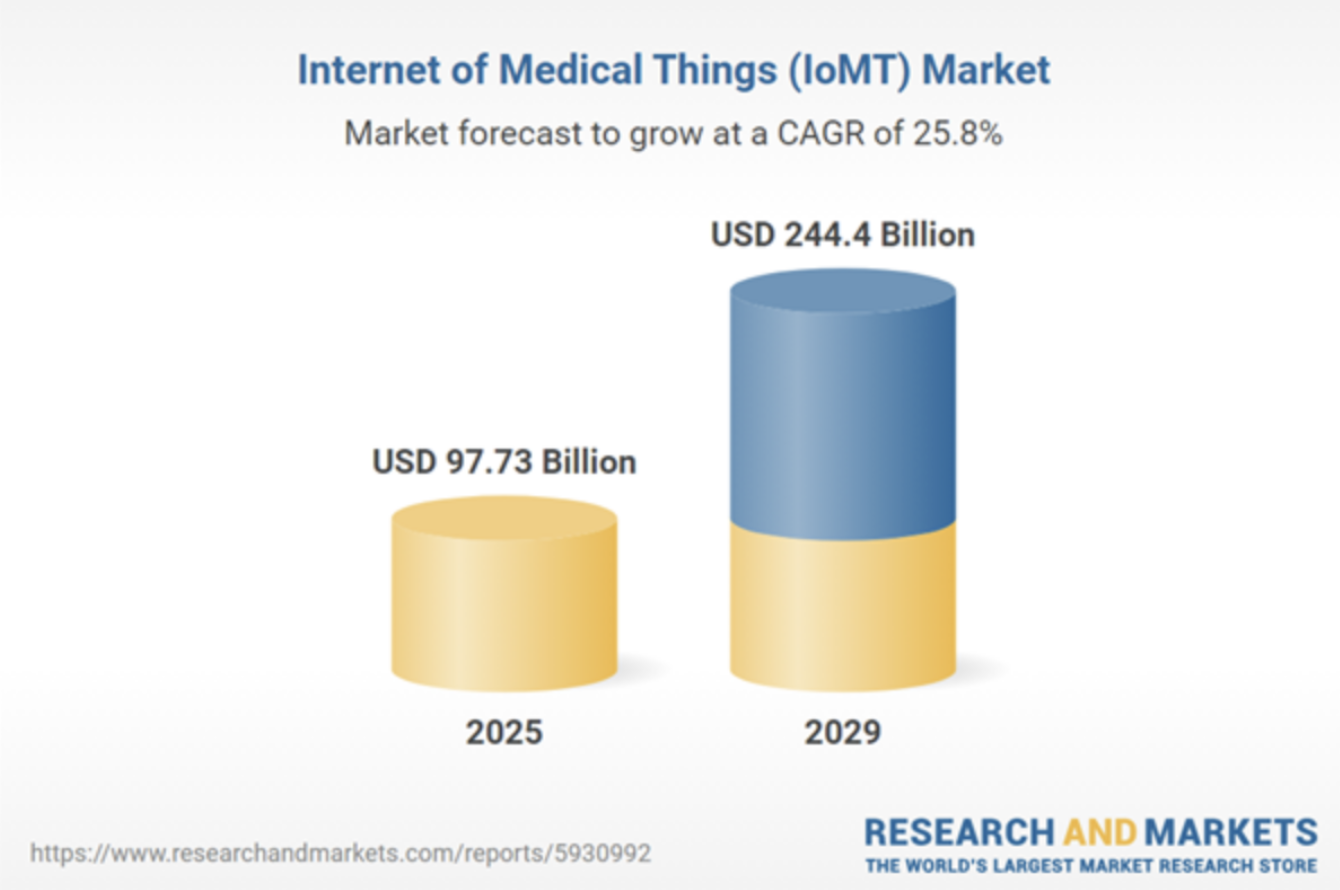
The Internet of Medical Things is changing the way the modern healthcare industry operates, elevating personalized patient care and adding efficiency to many healthcare processes, such as patient monitoring or data centralization. The global IoMT market is expected to grow from $97.73 billion in 2025 to $244.4 billion in 2029, proving that linked medical devices are here to stay.
 Source: Research and Markets
Today, healthcare providers, technology companies, and patients expect healthcare to be effective, digital, personalized, and accessible - and IoMT can become a valuable tool in achieving that. Below, we discuss how exactly connected devices shape modern healthcare and what implementation challenges are there to consider.
Source: Research and Markets
Today, healthcare providers, technology companies, and patients expect healthcare to be effective, digital, personalized, and accessible - and IoMT can become a valuable tool in achieving that. Below, we discuss how exactly connected devices shape modern healthcare and what implementation challenges are there to consider.
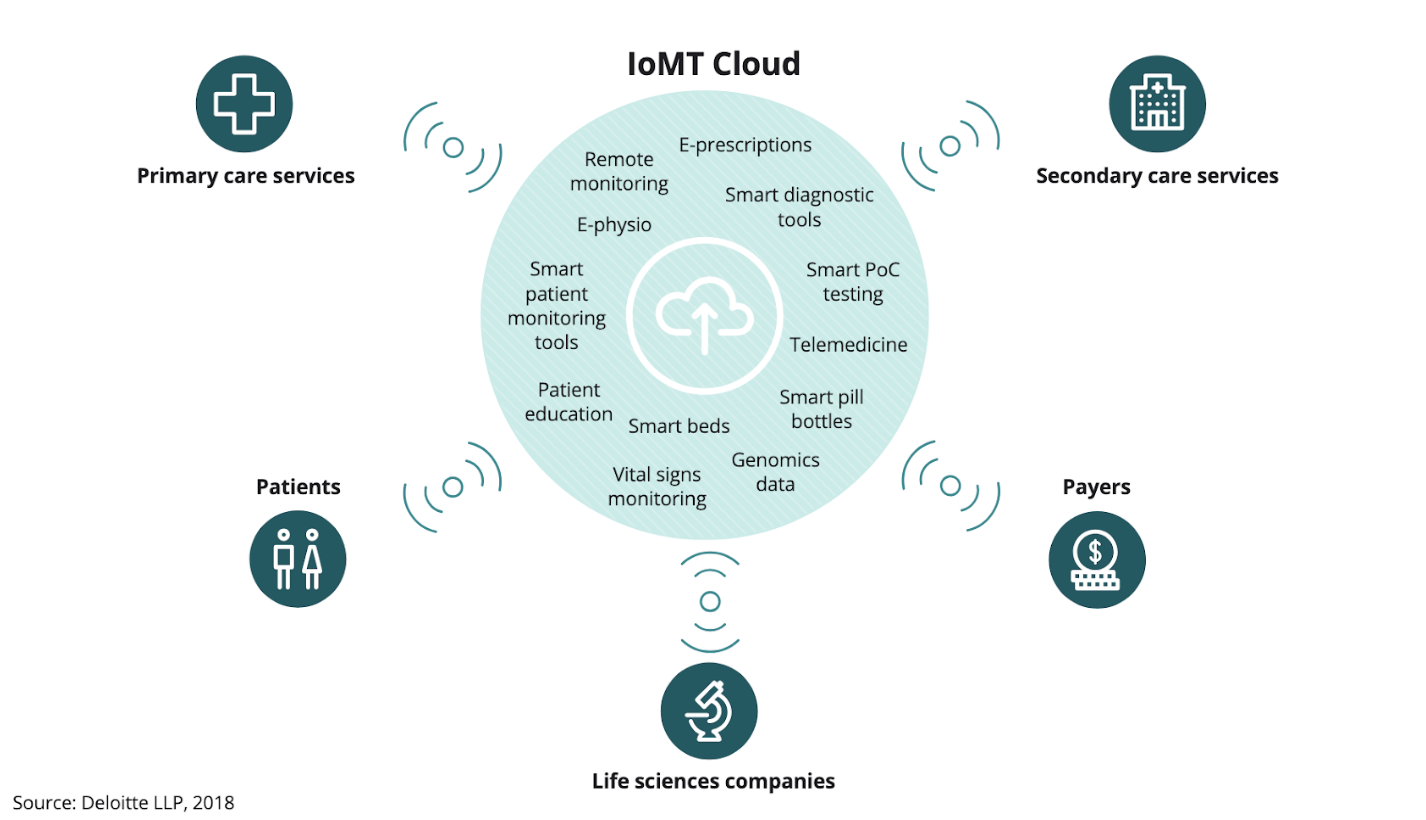 The interconnected IoMT health ecosystem.
Source: Deloitte
The interconnected IoMT health ecosystem.
Source: Deloitte
Source: Research and Markets
Today, healthcare providers, technology companies, and patients expect healthcare to be effective, digital, personalized, and accessible - and IoMT can become a valuable tool in achieving that. Below, we discuss how exactly connected devices shape modern healthcare and what implementation challenges are there to consider.
What is IoMT, and why does it matter now?
The Internet of Medical Things (IoMT) is a network of devices, software, and services that track, monitor, and communicate medical data in real time. It focuses specifically on medical-grade devices that gather and transmit real-time patient data. These include smart pacemakers, glucose monitoring systems, and remote monitoring tools used in telehealth. According to Deloitte, IoMT can ease pressure on healthcare systems by digitizing patient information, making it more accessible, and enabling advanced data analysis. Current trends highlight this technology's value. Legacy healthcare systems cannot keep up with the growing volume of patient data and cannot provide the requested speed and accuracy for clinical decision-making. But with IoMT, clinicians can now monitor patients' conditions from several devices that connect with EHRs. In addition, smaller facilities and home-care companies are using IoMT to actively manage chronic conditions.How do connected devices improve patient outcomes?
Connected medical devices create new ways to deliver efficient, personalized care. These examples show their primary effects on patient outcomes:Remote Patient Monitoring (RPM)
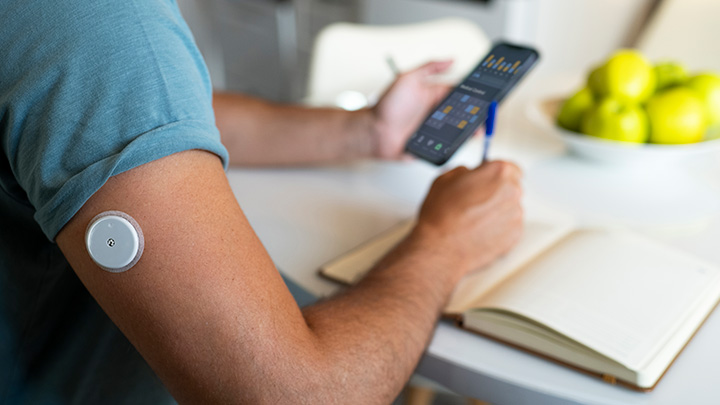
Wearable ECG monitors and blood pressure devices let patients record vital signs at home. Providers review this data and adjust treatment plans when needed. ResearchGate shows consistent use of RPM tools can reduce hospital readmissions and improve long-term results for chronic conditions like heart failure and diabetes.Real-Time Diagnostics
Many IoMT devices use advanced sensors and AI to provide immediate feedback and process real-time patient data. This particularly helps in critical care, where small changes in vital signs might require quick action.Personalized Therapeutics
The more data doctors have on their hands, the better and more accurate the treatment will be. With real-time data processing that IoMT offers, doctors can instantly receive information about the current patient’s state, centralize the data without losing an ounce of it and make more accurate clinical decisions, shifting to the proactive treatment instead of reactive one.Inventory Management
IoT sensors and RFID tags can be used not only for patient monitoring but also for better inventory management. By using IoT, doctors can always track medical equipment, know the state of the stock and the level of equipment availability.How are providers and manufacturers addressing security concerns?
Connected medical devices send personal health information (PHI), which must follow strict privacy regulations in many countries, starting with HIPAA. Security breaches could expose patient data and potentially disrupt vital treatments. Elisity notes that microsegmentation techniques and endpoint security solutions are vital for protecting IoMT systems in regulated environments. In 2026, more healthcare organizations are creating dedicated cybersecurity teams to protect devices, networks, and databases. Manufacturers are also stepping up—pushing regular firmware updates remotely and embedding better access controls into their hardware. Security challenges remain, however. Compatibility issues can create vulnerabilities if devices aren't properly updated or monitored. Healthcare CIOs should evaluate each connected device's security features and risks, especially when combining devices from different vendors. Specialized partners can help here; using solutions like Kanda's custom software development services, healthcare organizations can build in cybersecurity from the start. Strong governance practices and specialized tools for network segmentation remain important for managing large IoMT device inventories.Where are we seeing the biggest transformations?
IoMT's most significant impacts fall into four main categories:Hospital Infrastructure
Connected devices help track equipment availability, optimize energy use, and improve workflows. Medical staff can quickly locate and prepare essential devices, saving time and improving patient throughput. Advanced analytics can also predict maintenance needs before they affect operations.Telemedicine and Home Care
IoMT brings hospital-grade measurements into patients' homes. During telemedicine visits, connected devices allow doctors to check vital signs in real time and modify treatments as needed. MDPI research shows this approach can significantly reduce chronic disease management costs while making patients happier with their care.Wearables and Health Apps
Smartwatches and wristbands are well-known examples of IoMT wearables. Beyond consumer-oriented features, these devices are increasingly equipped with ECG, SpO2, and blood pressure monitoring functionalities. Clinical studies are utilizing these data points to conduct large-scale research, expand patient recruitment, and reduce the overhead of in-person visits.Robotic Surgery and Smart Implants
While robotic surgery has grown for years, connected surgical systems can use real-time patient data for better precision and safety. For example, when smart sensors are integrated into RPA surgical systems, it becomes easier to monitor patient’s vitals and coordinate the surgery correspondingly. Smart implants, such as pacemakers that share information with cardiologists over secure networks, show the benefits of continuous connectivity for critical medical interventions.
The interconnected IoMT health ecosystem.
Source: Deloitte
What challenges come with the IoMT adoption?
Despite accelerating IoMT adoption, several challenges could slow progress if not considered in advance: Interoperability Issues: Many hospitals use older EHR systems that may not work well with modern IoMT devices. Quick integration fixes sometimes create data silos or inaccuracies. Springer research suggests unified standards and thorough testing can help solve these compatibility problems. Compliance and Regulation: Many countries have strict rules about data collection and patient privacy. Navigating these regulations can be difficult, especially when deploying devices across different regions. High Implementation Costs: Advanced sensors and secure connectivity solutions can be expensive. Smaller clinics may struggle to invest in IoMT, despite potential long-term savings. Cyber Threats and Liability: Medical data attracts cybercriminals. Healthcare organizations must ensure device security, patient privacy, and continuous care while managing budget limits.How can healthcare stakeholders prepare for continued growth?
A strategic approach including the following helps maximize IoMT benefits: Assess Existing Infrastructure: Thoroughly review current IT systems and devices. Identify areas needing updates or replacements to support IoMT requirements. Implement Layered Security: Use encryption, network segmentation, and continuous monitoring. Regularly check device logs and usage patterns to detect unusual activity. Partner with Tech Specialists: Work with organizations that focus on IoMT solutions, including device manufacturers, cybersecurity firms, or software developers. Robust data and analytics strategies help healthcare organizations gain real-time insights, improve patient care protocols, and better predict resource needs.The Road Ahead: A Collaborative Ecosystem
Success of IoMT in 2026 and beyond depends on cooperation among healthcare providers, technology companies, policymakers, and patients. While connected devices show promise in areas like chronic disease management and surgical precision, reaching their full potential requires better interoperability standards, security protocols, and patient trust. Careful planning, clear regulations, and strategic partnerships are essential for continued growth. For organizations looking to integrate IoMT into their healthcare systems, working with experienced partners simplifies the process. Kanda Software's healthcare solutions provide consultation, development, and integration services that improve patient outcomes and operational efficiency through modern technology.How Can Kanda Help?
For organizations wanting to integrate IoMT into their healthcare platforms, working with a trusted partner streamlines the process. Kanda Software offers services aimed at boosting patient outcomes and operational efficiency through modern technology. We help healthcare stakeholders address the security, compliance, and interoperability hurdles that come with connected medical devices. Talk to our experts to learn how you can securely implement remote patient monitoring tools, build advanced telehealth platforms, or optimize existing workflows for an IoMT-driven ecosystem.Conclusion
IoMT is changing healthcare by enabling instant data sharing, personalized treatment plans, and more efficient operations. As organizations adopt connected medical technologies, they must stay vigilant about security, regulatory compliance, and compatibility. IoMT is not a theory anymore. It’s already changing how care is delivered. But like any tool, it’s only as good as how it’s implemented. When done right, it leads to fewer complications, better outcomes, and more engaged patients. Connected care is moving from niche to norm—and the time to build it right is now.Related Articles
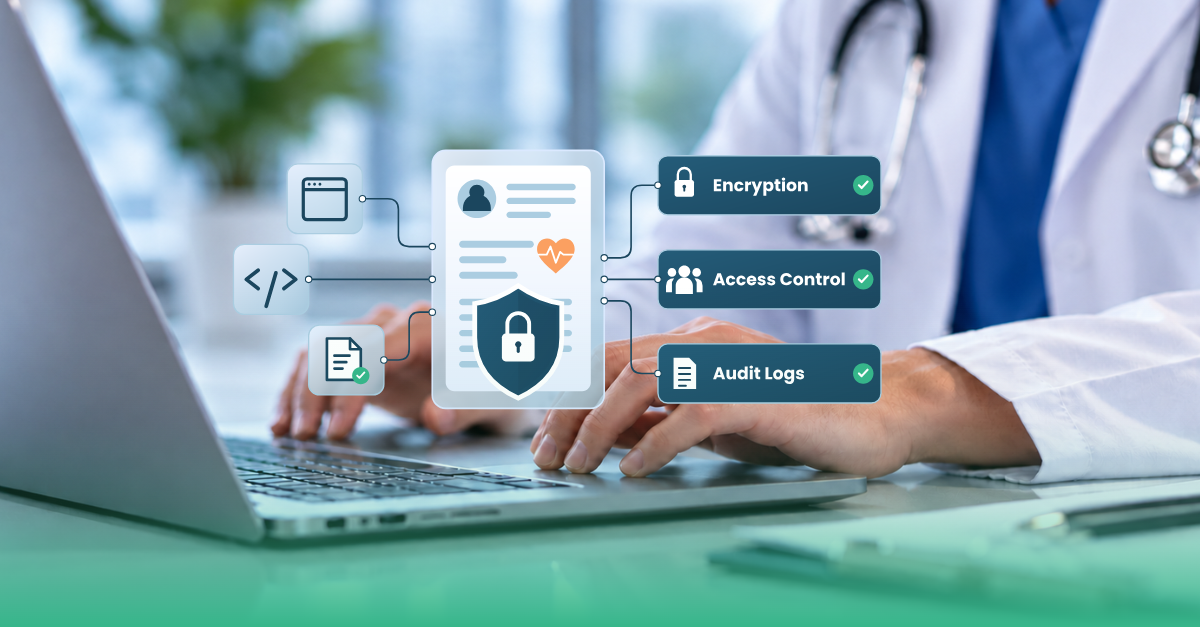
Complete Guide to HIPAA-Compliant Software Development 2026
Key Takeaways HIPAA-compliant software is an application that creates, stores, or transmits protected health information (PHI) and follows the Health Insurance Portability and Accountability Act. No agency certifies software as HIPAA-compliant. Teams demonstrate compliance with risk analysis records, safeguards, signed contracts, and audit logs. HIPAA applies to hospitals, clinics, insurers, and claims-processing clearinghouses, as well…Learn More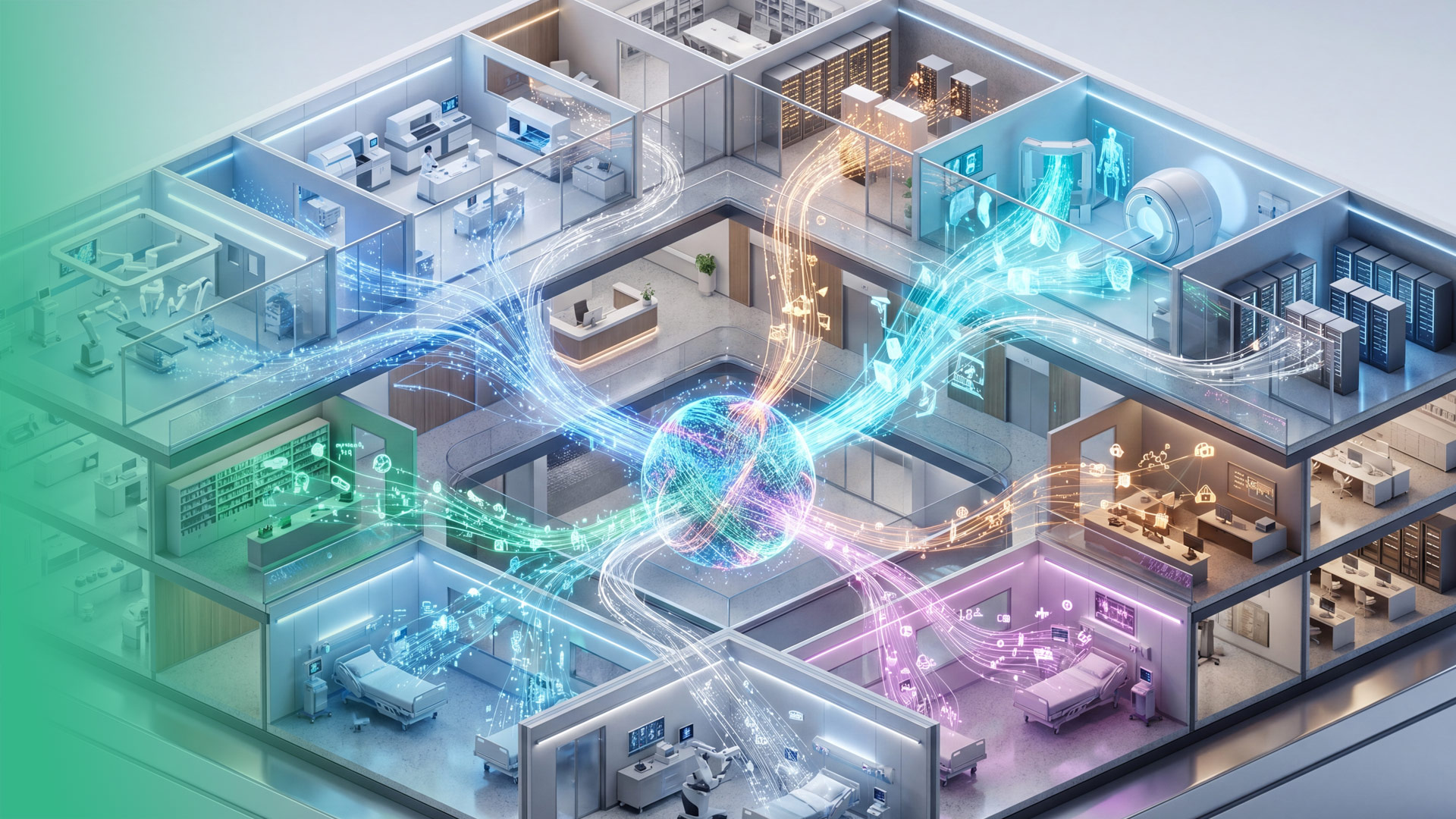
CMS Prior Authorization Rule 2026: What Health Systems and Payers Actually Need to Build by October 2027
Key Takeaways The 2026 CMS Prior Authorization (CMS-0062-P) rule extends electronic prior authorization requirements to drugs for the first time, closing a major gap left by the 2024 rule. The hard compliance deadline is October 1, 2027 - by that date, systems must be live, not in development or testing. Compliance requires three major technical…Learn More
Unlocking Actionable Insights from Medical Data with Clinical NLP
Key Takeaways Clinical NLP extracts useful details from notes, reports, and other free-text records so teams can work with them. The clearest use cases include coding support, trial matching, safety monitoring, registry work, and population health. The output is only useful if it connects to the standards healthcare teams already use: SNOMED CT, RxNorm, LOINC,…Learn More
Why Omics and Clinical Data Integration Remain a Challenge and How to Fix It
Key Takeaways Omics and clinical data often remain separate, making them harder to use together than they should be. The main challenge is usually not the data itself, but the mismatched formats, siloed systems, and disconnected teams surrounding it Addressing that requires robust infrastructure, shared standards, and workflows that hold up without constant manual intervention.…Learn More