

June 18, 2025
General
Navigating Big Data Governance: Essential Roles and Frameworks
The explosion of generated data brings both opportunity and trouble for businesses, especially the ones that are not prepared or don’t have sufficient resources to analyze it correctly. A report from Edge Delta shows 97.2% of companies are investing in big data tools. This is the right move because without the right tools, a significant amount of your valuable insights will be forever lost in the data.
And when the data is mismanaged, not only the insights are lost but the cost adds up too. According to Gartner, poor data quality costs the average business about $12.9 million a year.
This is where solid big data governance makes a difference. With the right plan in place, data becomes reliable, usable, protected, and compliant. It moves from raw noise to real value. Below, we break down the key elements: who’s involved in the process, what frameworks work their magic behind the curtains, what common issues organizations typically face and how it’s applied in real life.
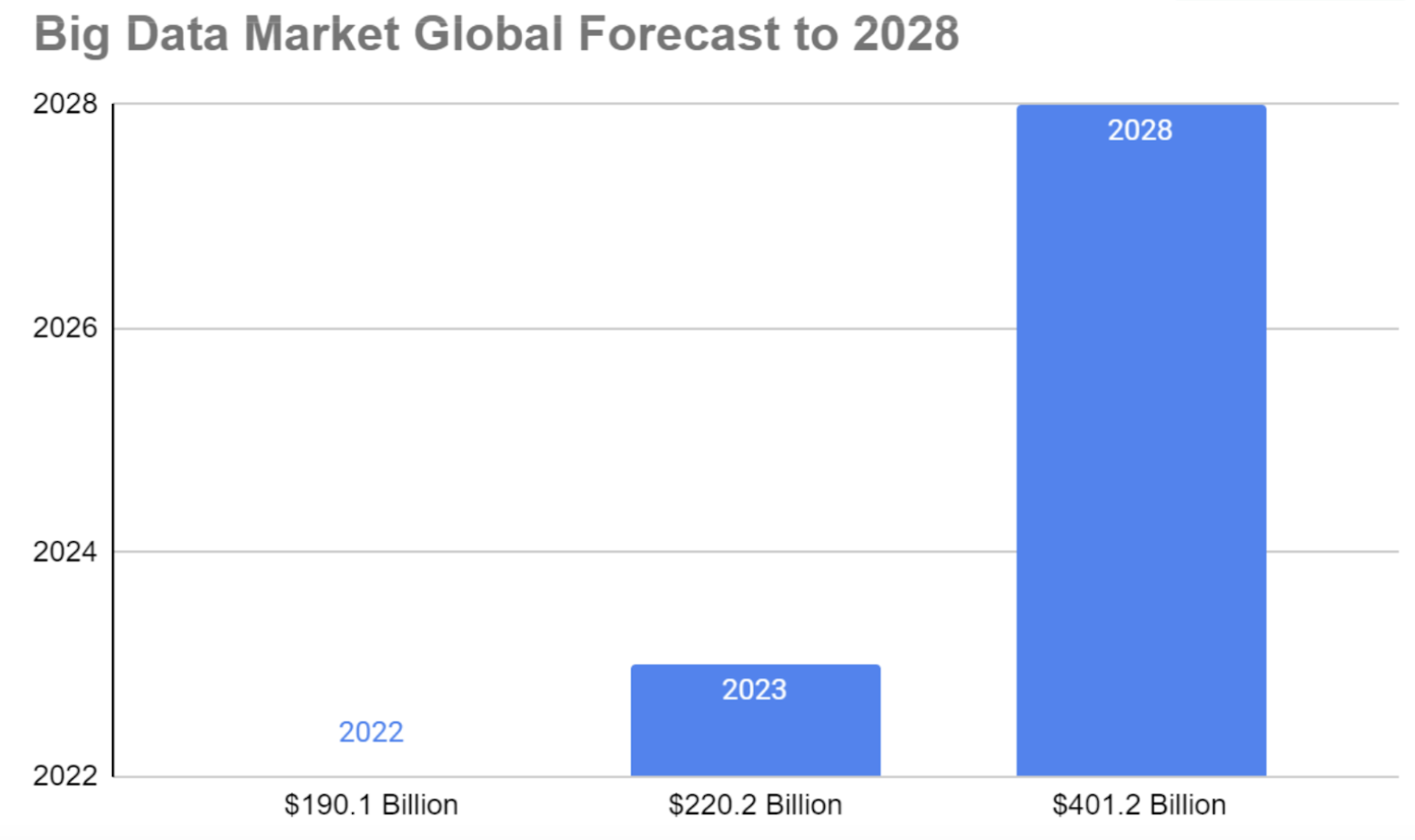 The big data market is set to grow from $220B in 2023 to over $400B by 2028.
Source: Markets and Markets
The big data market is set to grow from $220B in 2023 to over $400B by 2028.
Source: Markets and Markets
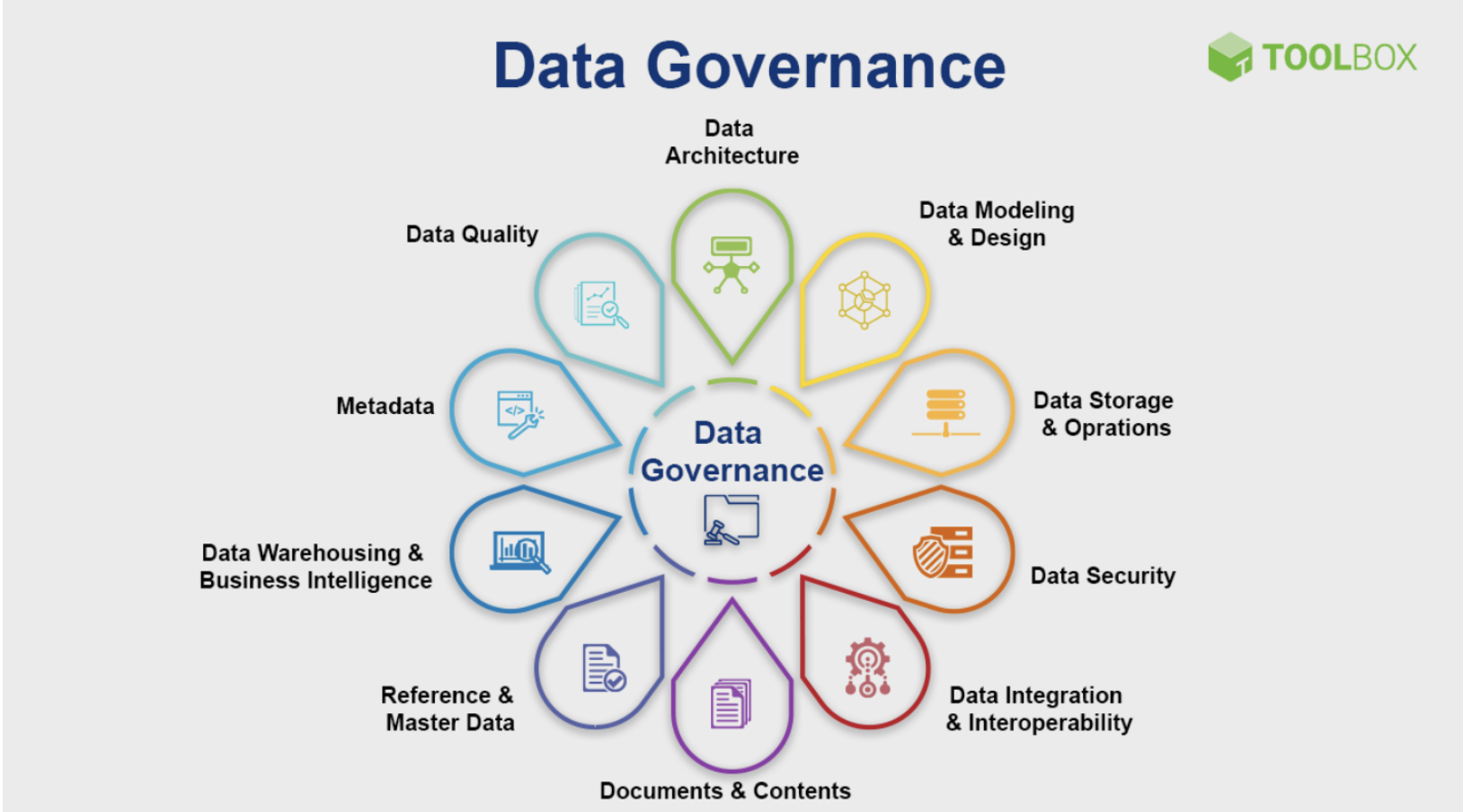 Source: Spiceworks
Put simply, big data governance sets the rules for managing the massive amounts of data that companies rely on. But in a more formal way, data governance can be defined as a set of frameworks and policies that ensure security, consistency, and usability of the data across the organization. Unlike traditional data governance, big data governance is built to handle newer data types, social media streams, IoT sensor inputs, and constantly shifting formats.
Large volumes, fast flows and a wide variety are traits that demand something more than legacy systems can offer. For better understanding, here are the main traits of big data that set it apart from traditional data:
Source: Spiceworks
Put simply, big data governance sets the rules for managing the massive amounts of data that companies rely on. But in a more formal way, data governance can be defined as a set of frameworks and policies that ensure security, consistency, and usability of the data across the organization. Unlike traditional data governance, big data governance is built to handle newer data types, social media streams, IoT sensor inputs, and constantly shifting formats.
Large volumes, fast flows and a wide variety are traits that demand something more than legacy systems can offer. For better understanding, here are the main traits of big data that set it apart from traditional data:
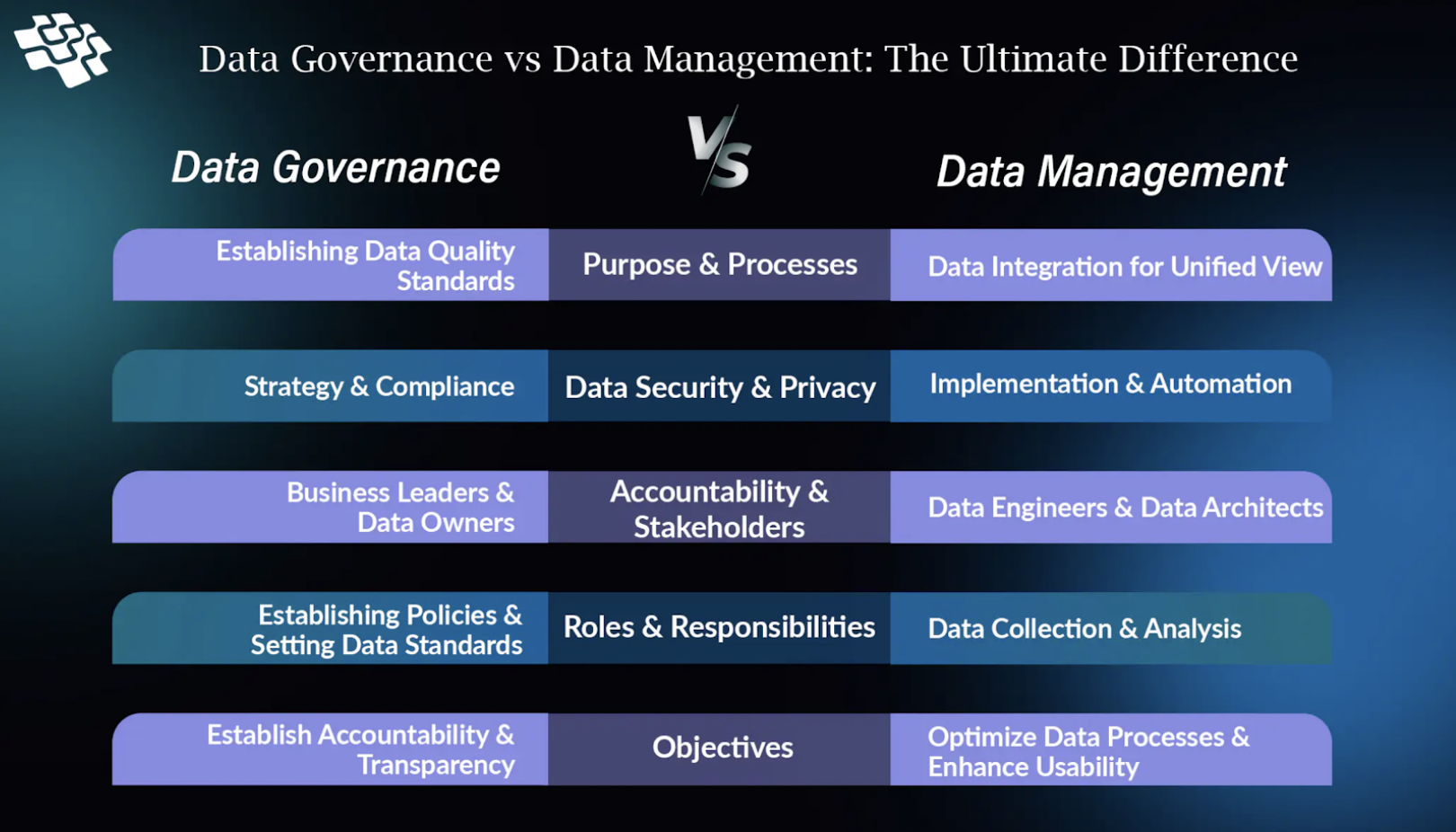 Key differences between data governance and data management across roles, goals, and processes.
Source: NextGen Invent
Key differences between data governance and data management across roles, goals, and processes.
Source: NextGen Invent
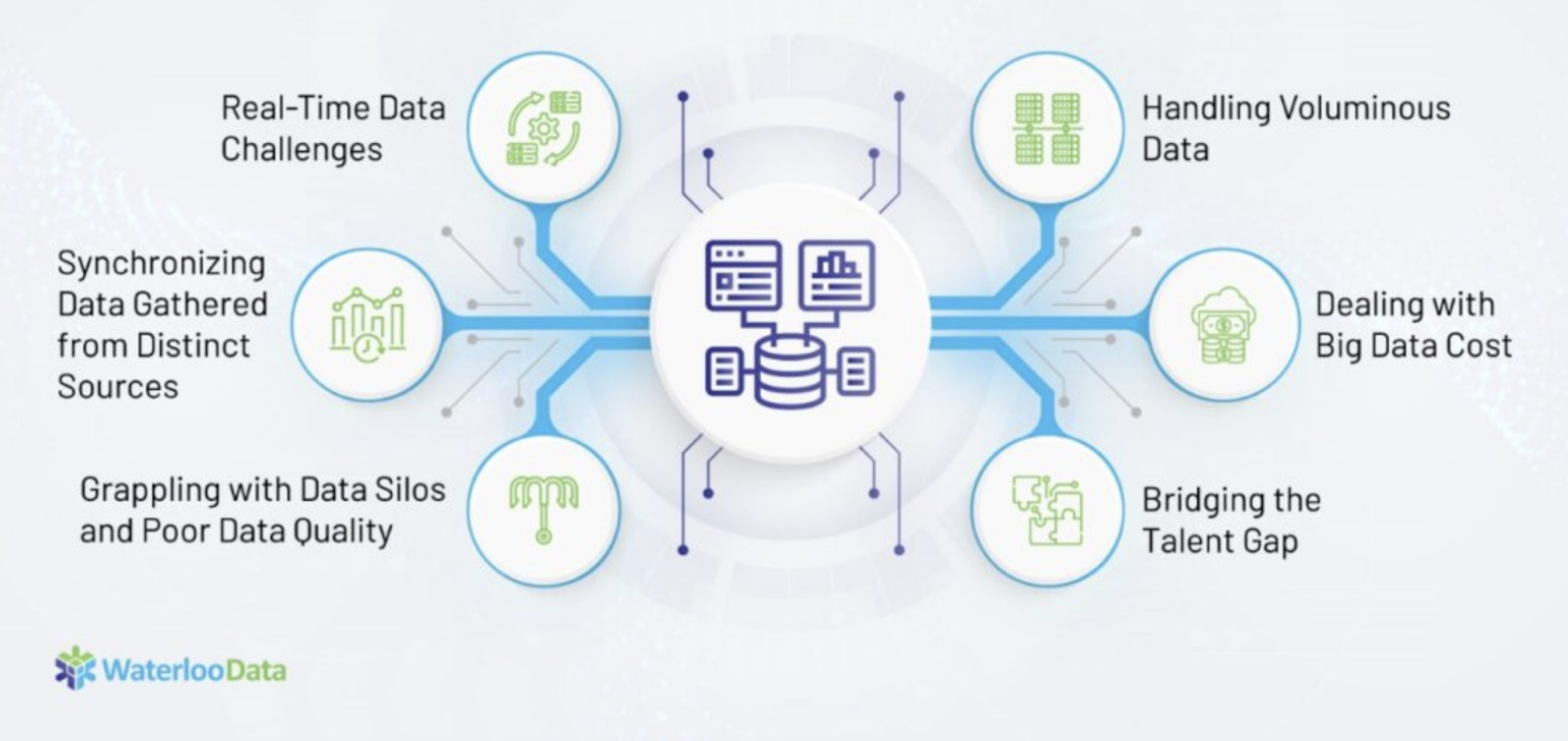 Top big data challenges businesses must address.
Source: Waterloo Data
Top big data challenges businesses must address.
Source: Waterloo Data
The big data market is set to grow from $220B in 2023 to over $400B by 2028.
Source: Markets and Markets
What is big data governance and why is it essential?
Source: Spiceworks
Put simply, big data governance sets the rules for managing the massive amounts of data that companies rely on. But in a more formal way, data governance can be defined as a set of frameworks and policies that ensure security, consistency, and usability of the data across the organization. Unlike traditional data governance, big data governance is built to handle newer data types, social media streams, IoT sensor inputs, and constantly shifting formats.
Large volumes, fast flows and a wide variety are traits that demand something more than legacy systems can offer. For better understanding, here are the main traits of big data that set it apart from traditional data:
- Volume: big data is generated in massive amounts that legacy systems can not handle or analyze. This is so because big data comes from a variety of sources, including non-traditional ones like social media.
- Velocity: the data is generated at a very high speed, often offering real-time insights (for example, from the IoT devices).
- Variety: as already mentioned, big data comes from the most various sources and hence, it varies in formats and content.
- Veracity: displays the quality and accuracy of the generated data and its reliability.
How does data management differ from data governance?
Understanding the difference between data management and governance is crucial so your organization can set the right processes and meet the right goals. Data management refers to the broad set of practices involved in data collection, storage, integration, security, and quality assurance. Data governance, a subset of data management, provides the framework of policies, regulations, standards, roles, and responsibilities that ensure data is used properly and consistently across an organization. As Kunjal Agrawal's article on Medium notes, formal data governance systematizes control over data management processes, enabling their full benefits. This distinction, important for data strategy decision-makers, ensures governance effectively guides daily data handling.
Key differences between data governance and data management across roles, goals, and processes.
Source: NextGen Invent
What are the key roles and responsibilities in big data governance programs?
A successful program needs clear roles and real cooperation. Here’s who you’ll usually see involved:- Governance Committee: Senior managers and experts who steer the entire governance program.
- Chief Data Officer (CDO): Oversees the data strategy and makes sure it’s followed.
- Data Owners: Usually department heads; they’re responsible for the data in their domains.
- Data Stewards: Keep data consistent and safe. They coordinate between tech teams and the business side.
- Data Architects: Design systems so data flows well and supports broader company goals.
- Data Engineers: Build, clean, and connect the underlying data systems.
- IT Teams: Set up, maintain, and secure the hardware and software that supports governance.
- Everyday Data Users: Employees using data daily are also responsible for following governance policies.
What frameworks and methodologies guide big data governance?
A governance framework organizes data management from inception to disposal and includes numerous critical components. Data collection, use, and storage start with clear, realistic regulations and standards. Roles and duties establish ownership and accountability throughout the data process. Extended data warehouse (XDW) models can accommodate mixed data types in the framework's specialized technological stack, which includes scalable tools and systems to handle data volume and regulatory needs. Data lifecycle management, from creation to processing, analysis, and secure deletion, is another important aspect. The Digital Regulation Platform guide details planning, collection, processing, and disposal. Finally, business alignment ensures that data decisions support the organization's strategic goals. Accountability, transparency, stewardship, and regulatory compliance underpin these components. DAMA-DMBOK and COBIT provide useful templates, but each business will tailor its governance structure to its needs and surroundings.What are common challenges in big data governance and management?
Implementing big data governance faces several challenges. Poor data quality is the main issue, but other challenges include:- Siloed Systems: Isolated data pockets make unified governance harder. Inconsistency across sources is a major data quality problem.
- High Volume and Mixed Quality: Huge datasets vary in quality, and consistency’s hard to maintain.
- Lack of Top-Level Support: Lack of leadership support can stall initiatives.
- Not Enough Tools or Talent: Difficulty finding or investing in the right technologies and skilled personnel.
- Security and Legal Pressures: Meeting HIPAA, GDPR, CCPA and other rules isn’t simple, especially as data spreads.
- Hard-to-Merge Legacy Systems: Combining data from diverse and legacy systems is technically challenging.
- Scalability Issues: Frameworks must scale with the data.
- Low Accountability: Leaders often don’t see data quality as their responsibility, even though it affects every part of the business.
Top big data challenges businesses must address.
Source: Waterloo Data
What tools and services support big data governance?
A big data governance framework provides a structured way to manage and protect data assets. Core parts include:- Governance Platforms: Centralize management of governance activities. The Multishoring guide mentions Collibra Data Intelligence Cloud for its comprehensive workflows.
- Data Catalogs: Tools like Alation help find, track, and understand what data you have using AI.
- Metadata Tools: IBM’s InfoSphere is a good example since it provides context for your data and manages the data about data.
- Data Quality Monitors: Talend Data Fabric tracks, cleans, and scores your data on demand.
- Security and Compliance Software: Microsoft Purview helps keep things airtight and audit-ready. The focus is on access controls, encryption, and regulatory adherence.
- Integration Systems: Pull data together from multiple sources and formats for one unified view.
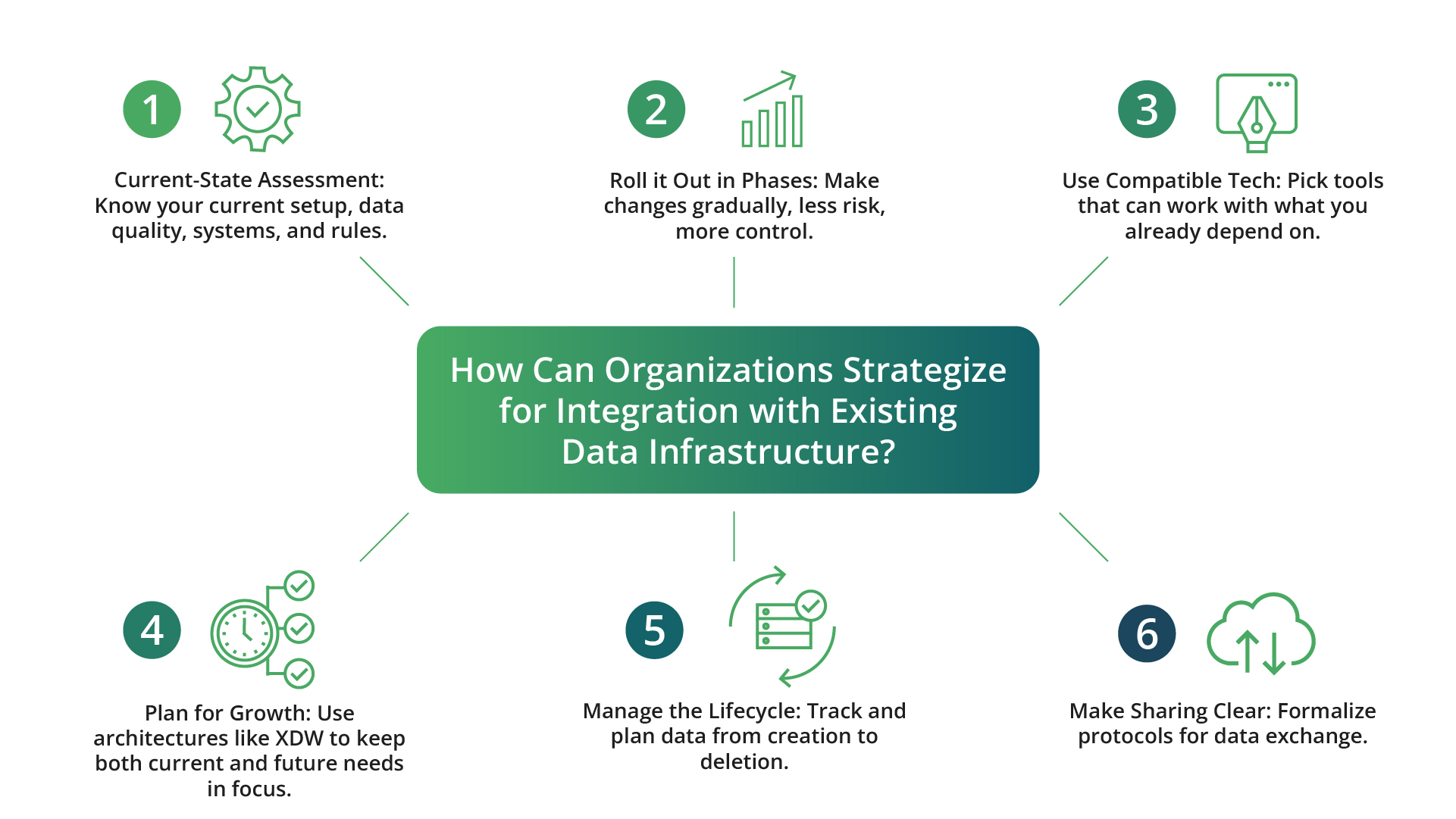
How can organizations strategize for integration with existing data infrastructure?
If you’re combining big data governance with systems already in place, it needs to be done in steps. A few basics help guide the process:
- Current-State Assessment: Know your current setup, data quality, systems, and rules.
- Roll it Out in Phases: Make changes gradually, less risk, more control.
- Use Compatible Tech: Pick tools that can work with what you already depend on.
- Plan for Growth: Use architectures like XDW to keep both current and future needs in focus.
- Manage the Lifecycle: Track and plan data from creation to deletion.
- Make Sharing Clear: Formalize protocols for data exchange.
How Kanda Can Help
Big data governance needs specialized knowledge. Kanda Software guides organizations in setting up and making strong big data governance frameworks work. We help you:- Develop Governance Frameworks: Design frameworks for your industry, goals, and rules.
- Strategize for Seamless Integration: Our experts help combine governance with your existing data infrastructure.
- Select and Implement Governance Tools: Kanda guides on choosing and putting in place suitable big data governance tools.
- Make Data Quality and Security Better: Set up processes for high data quality and use full security, including strong Cloud Security.
- Meet Compliance and Challenges: Help with big data management challenges and meeting compliance needs, for areas like AI in Finance.
Conclusion
Good data doesn’t just manage itself. Governance is what turns raw information into something teams can actually use. Done well, it drives smarter choices, lowers risk, and lays the groundwork for meaningful growth. With the right plan and people in place, governance goes from theory to daily practice. What we recommend though is delegating the setup of data governance to a knowledgeable vendor who will minimize risks, ensure data integrity and security and will implement new processes without disrupting the ones that already work well.Related Articles

How to Turn Your Broken Data Workflows Into Scalable Data Pipelines: An Ultimate Guide
Key Takeaways Workflows break at scale not because of selecting wrong tools, but because project-level habits, manual handoffs, copy-pasted scripts become the operating model. The architecture patterns that enable scalability: decoupled storage and compute, deliberate data layering, and orchestration treated as a control plane. Pipeline reliability is a delivery problem too. Version control, CI/CD, and…Learn More
Why Using Edge AI for Real-Time Analytics Is Your Next Best Decision
Key Takeaways: Edge AI processes data locally in 1–10 ms, compared to 50–200 ms with cloud-based analytics, making it critical for time-sensitive operations. Organizations can cut data transmission costs by up to 43% and reduce cloud-bound traffic by over 90% by filtering data at the edge. Industries like manufacturing, healthcare, autonomous vehicles, and smart cities…Learn More
Why Human-in-the-Loop AI Is Necessary in the Age of Automation
AI is spreading through businesses much faster than most people anticipated. Data from a Fullview report shows that 78% of organizations now utilize artificial intelligence in at least one part of their operations, which is a significant jump from 55% back in 2023. At the same time, 71% of these companies are regularly using generative AI…Learn More
Comprehensive AI Security Strategies for Modern Enterprises
Over the past few years, AI has gone from a nice-to-have to a must-have across enterprise operations. From automated customer service to predictive analytics, AI technologies now handle sensitive data like never before. A Kiteworks report shows that over 80% of enterprises now use AI systems that access their most critical business information. This adoption…Learn More