

April 17, 2025
General
How DevOps Analytics Can Drive Product Development
Organizations of every size are looking for ways to refine their development processes, speed up releases, and deliver higher-quality products. One notable indicator of this interest is the reported impact of DevOps strategies on businesses. CloudZero data shows 86% of professionals see the value of DevOps. The global DevOps market is set to grow too, jumping from $15 billion in 2026 to $38 billion by 2029.
Healthcare providers, for instance, are engaging DevOps-focused transformations to improve operational efficiency and patient outcomes. In fact, according to a Redgate report, 73% of healthcare organizations have already embraced DevOps to speed up software delivery and improve operational efficiency. By unifying development and operations, and reducing friction between various stages of the product lifecycle, DevOps analytics can help get innovations to the market faster.
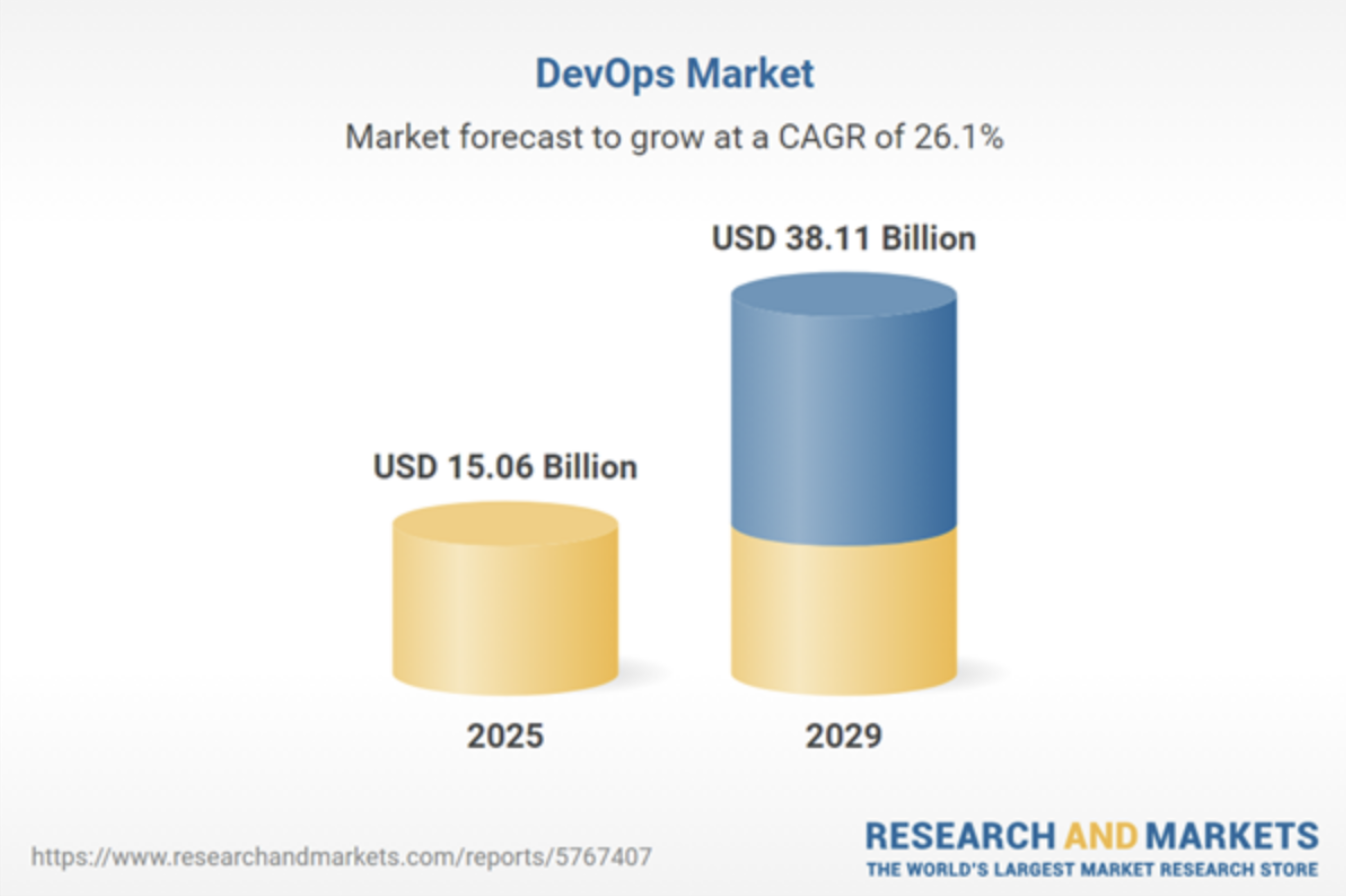 Source: Research and Markets
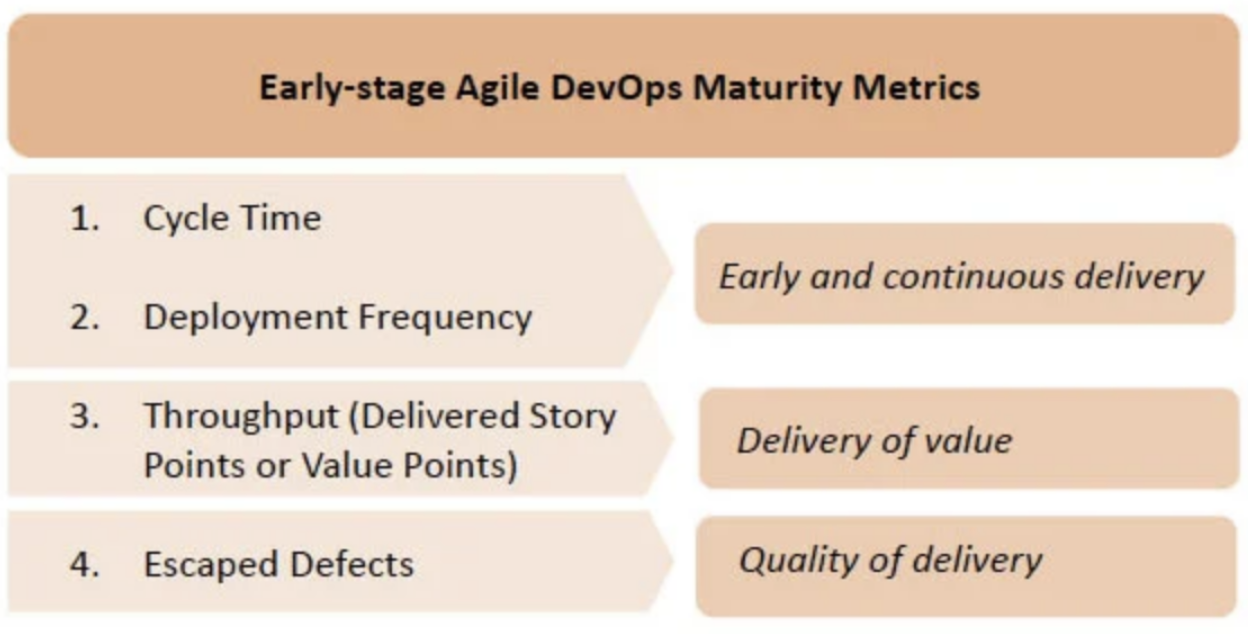 Source: InfoQ
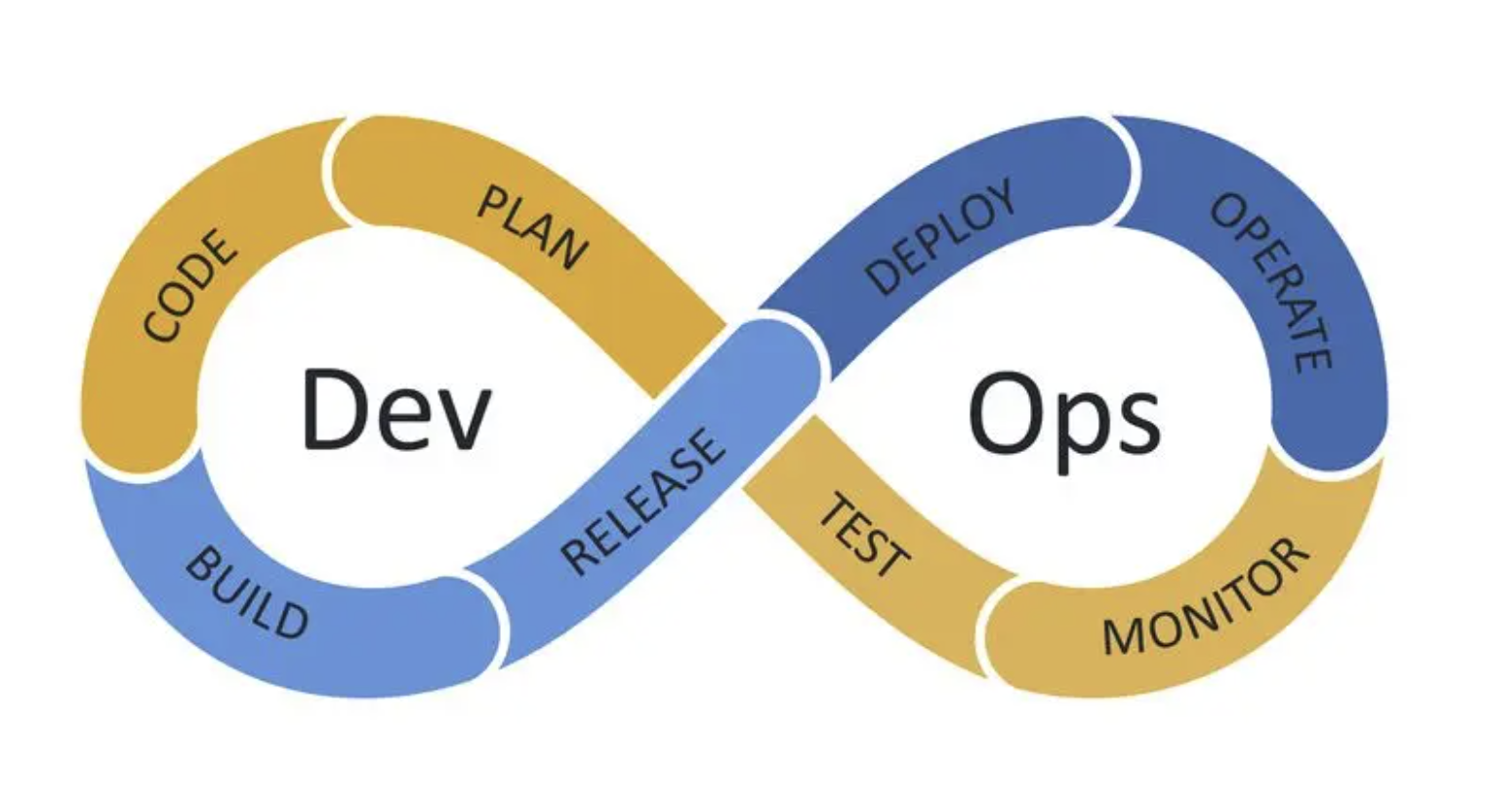 Source: dbt Labs
Source: Research and Markets
Why do DevOps analytics matter for product development?
Product development must balance speed, quality, user satisfaction, and improvement. However, without measurement, teams cannot improve. DevOps analytics solves this by adding real-time data to the pipeline. It tracks code commits, builds, tests, deployments, production feedback, and more, allowing developers and operations teams to spot potential bottlenecks well in advance. As AI and machine learning become more integrated into DevOps workflows, teams can now leverage predictive analytics to anticipate failures and optimize CI/CD pipelines before issues impact production. According to a recent InfoQ report, integrating analytics into DevOps not only improves product stability but also ensures quality assurance remains continuous rather than an afterthought. This analytical approach facilitates immediate feedback loops, reducing the chance of significant defects slipping into production. Instead of guessing, DevOps analytics provides a comprehensive picture of product lifecycle performance to support data-driven decisions. Rapid software development is growing in healthcare and other regulated areas. DevOps pipelines with rich data help teams detect defects early, polish products faster, and ship updates more regularly.Which metrics should development teams track for DevOps maturity?
One metric alone cannot capture DevOps maturity. Instead, organizations should measure several indicators. InfoQ's DevOps maturity metrics article highlights four key areas:
Source: InfoQ
Cycle Time
Especially useful for early-stage DevOps teams, cycle time tracks the time between picking up a task and finishing development before integration. It’s easier to measure than lead time and good for spotting early-stage inefficiencies.Deployment Frequency
This tracks how often upgrades or new features are released. Regular deployments indicate automated processes. High-performing DevOps teams deploy code up to 208 times more frequently than low performers, according to DORA research.Throughput
Throughput is the volume of successfully deployed changes over time. Teams with higher throughput can complete more work faster, indicating great teamwork and workflows.Escaped Defects
This number reflects new deployment-related problems or rollbacks. Lower rates suggest better testing and reliable releases. Elite DevOps teams also recover from incidents 2,604 times faster than low performers, demonstrating the significant impact of mature practices on system resilience. In regulated fields like healthcare, teams must monitor security and compliance data. The CI/CD pipeline must include compliance checks. Monitoring these factors helps organizations meet strict healthcare data standards and implement services on time.How do DevOps analytics boost healthcare solution development?
Real-Time Feedback for Patient-Centric Care
Healthcare providers work with sensitive data. Mistakes in software can disrupt patient experiences or, worse, compromise data security. DevOps analytics are particularly useful here because they bring transparency to the entire development cycle. DevOps enables faster deployment of healthcare applications and portals, allowing providers to offer real-time access to medical records, appointment bookings, and virtual consultations. As the Devico blog on applying DevOps for analytics product development points out, DataOps—an extension of DevOps for data analytics—enables teams to manage massive amounts of patient information effectively. Real-time analytics allows for realistic testing of new patient-facing features prior to deployment. Analytics can reveal which components work and which require improvement, whether integrating telehealth or speeding up appointment scheduling.Faster Clinical Research Collaboration
Collaboration is essential in clinical research, and DevOps analytics can help integrate efforts across departments. Bridging barriers across operations, development, and data science teams not only increases speed but also strengthens data governance. When research teams share and dig into trial data fast, it can help accelerate new therapies.What’s a real-world implementation of DevOps in healthcare?
Let's look at the digital evolution of Cancer Treatment Centers of America (CTCA), which City of Hope later acquired and integrated. Even before the acquisition, CTCA, a prominent network for comprehensive cancer care, saw clear benefits in leveraging technology more effectively. They aimed to improve patient care delivery and introduce new solutions. This led them to start a significant effort to upgrade their systems and operational workflows. Kanda Software worked with CTCA during this important period. Our team helped implement cloud DevOps practices and set up managed CI/CD pipelines, streamlining their software development and deployment processes. Kanda also assisted with transforming their data warehousing, which included ETL setup and data cleaning to manage complex patient and operational information more effectively. Separately, Kanda developed crucial management reports; these visually presented key financial data to leadership, enabling better-informed strategic decision-making. Adopting DevOps methods, enhancing data management capabilities, and providing targeted financial reporting allowed CTCA to innovate faster, build more stable systems, and derive clearer insights across different operational areas. These innovations were crucial to improving their integrative cancer care strategy. This foundation highlights how diverse technological improvements, including DevOps, data management, and specific reporting solutions, can streamline healthcare operations and improve patient care. It also prepared CTCA for further advancements within the broader City of Hope organization following the acquisition.What are the core steps to implement DevOps analytics successfully?
1. Adopt a Culture of Collaboration
DevOps is not just a technical revolution but also a cultural change. From the beginning of the software lifecycle, developers, testers, and operations professionals must work together. Effective DevOps approaches are largely dependent on organizational culture. When problems occur, shared accountability reduces blame and promotes transparency.2. Automate Wherever Possible
Automation plays a critical role in DevOps analytics. From continuous testing to automated compliance checks, each stage of the pipeline should produce data that feeds analytics dashboards. Organizations are increasingly building Internal Developer Platforms (IDPs) to centralize tools, services, and workflows, making it easier to manage environments, deploy applications, and automate repetitive tasks across development teams. As ChaosSearch points out, aggregating logs and metrics into a single, scalable platform eliminates blind spots and makes it easier to spot patterns. Automated processes remove manual bottlenecks and reduce the likelihood of human error.3. Integrate Analytics into Every Stage of Development
Analytics should be used during the planning, release, and monitoring phases. KPIs and metrics must be established early on and displayed on the dashboard. Before testing a release candidate, teams must consider code quality, coverage, and performance indicators. If product rollouts fail to meet requirements, teams can stop or fix them.4. Use Feedback Loops to Continuously Improve
DevOps is about iteration and continuous improvement. Even after a good release, looking at production data gives ideas for the next development round. These feedback loops help improve everything from code reviews to testing methods. A steady feedback process helps unite operations and analytics, making improvements ongoing not just one-off fixes.
Source: dbt Labs
How Kanda Can Help
Getting DevOps analytics going takes planning and know-how. Kanda Software offers services like cloud optimization, analytics dashboards, and smoother CI/CD setups. We team up with businesses and healthcare groups to match DevOps to their needs.- Cloud Cost Optimization Best Practices: Our team can assist you in setting up a DevOps pipeline that promotes quicker releases while also managing costs effectively. Read our blog post on cloud cost optimization to find out more about cloud cost management.
- Product Engineering DevOps Implementation: Effective CI/CD implementation provides teams aiming to improve their application lifecycle with practical steps to ensure seamless, error-free releases.
Conclusion
DevOps analytics provides data to product development teams for decision-making. In addition, observability—the ability to understand system behavior through logs, metrics, and traces—has become a critical discipline for managing increasingly complex distributed systems. FinOps practices are also emerging, integrating cost visibility directly into DevOps workflows so teams can ship fast without accidentally overspending on cloud resources. Companies are learning that an automated, collaborative DevOps pipeline with powerful analytics can enhance releases, improve quality, and accelerate time to market. Handling sensitive data or meeting big user needs takes precision. Adding DevOps analytics to your process helps hit those marks and improve how users feel. Building a research platform, patient records system, or new app? DevOps analytics will give you real-time understanding of what counts. With the right tools, automation, and team collaboration, you can move quickly and make products that stand out.Related Articles

How to Turn Your Broken Data Workflows Into Scalable Data Pipelines: An Ultimate Guide
Key Takeaways Workflows break at scale not because of selecting wrong tools, but because project-level habits, manual handoffs, copy-pasted scripts become the operating model. The architecture patterns that enable scalability: decoupled storage and compute, deliberate data layering, and orchestration treated as a control plane. Pipeline reliability is a delivery problem too. Version control, CI/CD, and…Learn More
Why Using Edge AI for Real-Time Analytics Is Your Next Best Decision
Key Takeaways: Edge AI processes data locally in 1–10 ms, compared to 50–200 ms with cloud-based analytics, making it critical for time-sensitive operations. Organizations can cut data transmission costs by up to 43% and reduce cloud-bound traffic by over 90% by filtering data at the edge. Industries like manufacturing, healthcare, autonomous vehicles, and smart cities…Learn More
Why Human-in-the-Loop AI Is Necessary in the Age of Automation
AI is spreading through businesses much faster than most people anticipated. Data from a Fullview report shows that 78% of organizations now utilize artificial intelligence in at least one part of their operations, which is a significant jump from 55% back in 2023. At the same time, 71% of these companies are regularly using generative AI…Learn More
Comprehensive AI Security Strategies for Modern Enterprises
Over the past few years, AI has gone from a nice-to-have to a must-have across enterprise operations. From automated customer service to predictive analytics, AI technologies now handle sensitive data like never before. A Kiteworks report shows that over 80% of enterprises now use AI systems that access their most critical business information. This adoption…Learn More