January 15, 2025
Healthcare
How AI Assists in Diagnostics of Complex Clinical Cases
A specific challenge facing contemporary healthcare is the great complexity of recognizing certain diseases. Conventional diagnostic procedures often overlook relevant aspects. According to a recent study, AI-assisted cancer detection techniques decreased errors to a staggering 1.6%, while conventional methods fail to identify much of the cancer’s extent in more than 70% of the cases.
This demonstrates how AI can recognize problems that humans commonly overlook, making it a crucial tool for complex diagnosis. AI is turning into a vital tool that gives medical professionals unprecedented speed, precision, and decision assistance.
By 2026, AI-powered diagnostics has gone from being a new technology to a must-have part of current healthcare systems. There are now more than 1,250 AI-enabled medical devices that the FDA has approved for sale in the US. This is up from 950 products in 2024. This quick growth shows that people are becoming more confident in AI applications in fields like radiology, cardiology, pathology, and more.
What role does AI play in medical diagnostics?
In medical diagnosis, Artificial Intelligence uses algorithms to examine data, detect patterns and propose possible conditions. In contrast to conventional diagnoses, which rely primarily on human interpretation, AI offers a data-driven approach, enriching the clinical experience with computational capabilities. Radiology is still the biggest area for this tech. About 76% of all FDA-cleared AI medical tools are used here. Machine learning, specifically deep learning, has proven to be incredibly good at reading images like X-rays, MRIs, CT scans, and ultrasounds. In fact, research shows AI can hit a 94% accuracy rate when looking for lung nodules. That’s a big jump over human radiologists, who averaged 65% on the same tasks. Some of the most critical uses are in imaging, pathology and diagnostic tools. For example, the SenseToKnow application, mentioned in research published by NEJM AI, showed an area under the curve (AUC) of 0.92 for identifying autism spectrum disorders through machine learning and at-home computer vision analysis performed by caregivers, which demonstrates the ability of AI to achieve accurate remote diagnosis. In addition, predictive analysis models manage patients' medical records to predict the emergence of diseases such as sepsis, thus facilitating early intervention. For healthcare providers looking to incorporate advanced AI solutions into their systems, Kanda's AI and machine learning services provide tailored solutions to optimize patient care and diagnosis.How does AI enhance accuracy and speed?
Complex cases often involve a large number of data points, lab reports, imaging requests, genetic tests, and patient histories. Artificial intelligence is especially useful in managing this amount of data. Through the integration and analysis of large amounts of data, AI reduces the likelihood of human error and ensures faster diagnostic procedures. Let's consider cardiology as an example. NEJM AI states that AI algorithms used in electrocardiograms (ECG) have shown a considerable effect in patients with ST-elevation myocardial infarctions (STEMI). One investigation estimates that AI-ECG-assisted STEMI triage decreased door-to-balloon time for patients arriving at the emergency department, and decreased ECG-to-balloon time for emergency room patients. These innovations are part of a broader shift in healthcare, where the creation of digital health products, a key focus of Kanda's digital health services, is shaping the future of medical diagnosis. In these situations, speed is of equal relevance. Diagnostic delays are one of the key factors influencing negative patient outcomes, particularly in diseases such as stroke or infections. Artificial intelligence tools have proven their ability to considerably reduce diagnostic image processing times, frequently increasing the speed of clinical work processes. Since hospitals everywhere are dealing with more patients and fewer staff, these AI tools help fill the gap. The tech lets radiologists focus on the truly difficult cases and personalized care instead of spending all day on repetitive screening tasks.What advantages do clinicians have?
- Decision-making support: Artificial intelligence offers doctors decision-making support systems that propose possible diagnoses and suggest treatment routes. These tools are particularly useful in rare pathologies, where diagnostic experience may be restricted. For rare diseases affecting over 350 million people worldwide, patients often face diagnostic journeys averaging six years. AI algorithms can now predict rare disease diagnoses with 89% to 93% accuracy, potentially identifying patients an average of 1.2 years earlier than traditional methods.
- Reduction in errors: By comparing symptoms with extensive medical databases, AI reduces the danger of negligence and has been proven to reduce diagnostic errors in investigations.
- Efficiency: When repetitive tasks are automated, such as report creation, doctors can focus on patient care.
- Constant learning: Machine learning is used by many AI systems to gradually improve their accuracy, guaranteeing that clinicians acquire cutting-edge knowledge.
How is AI transforming complex diagnoses?
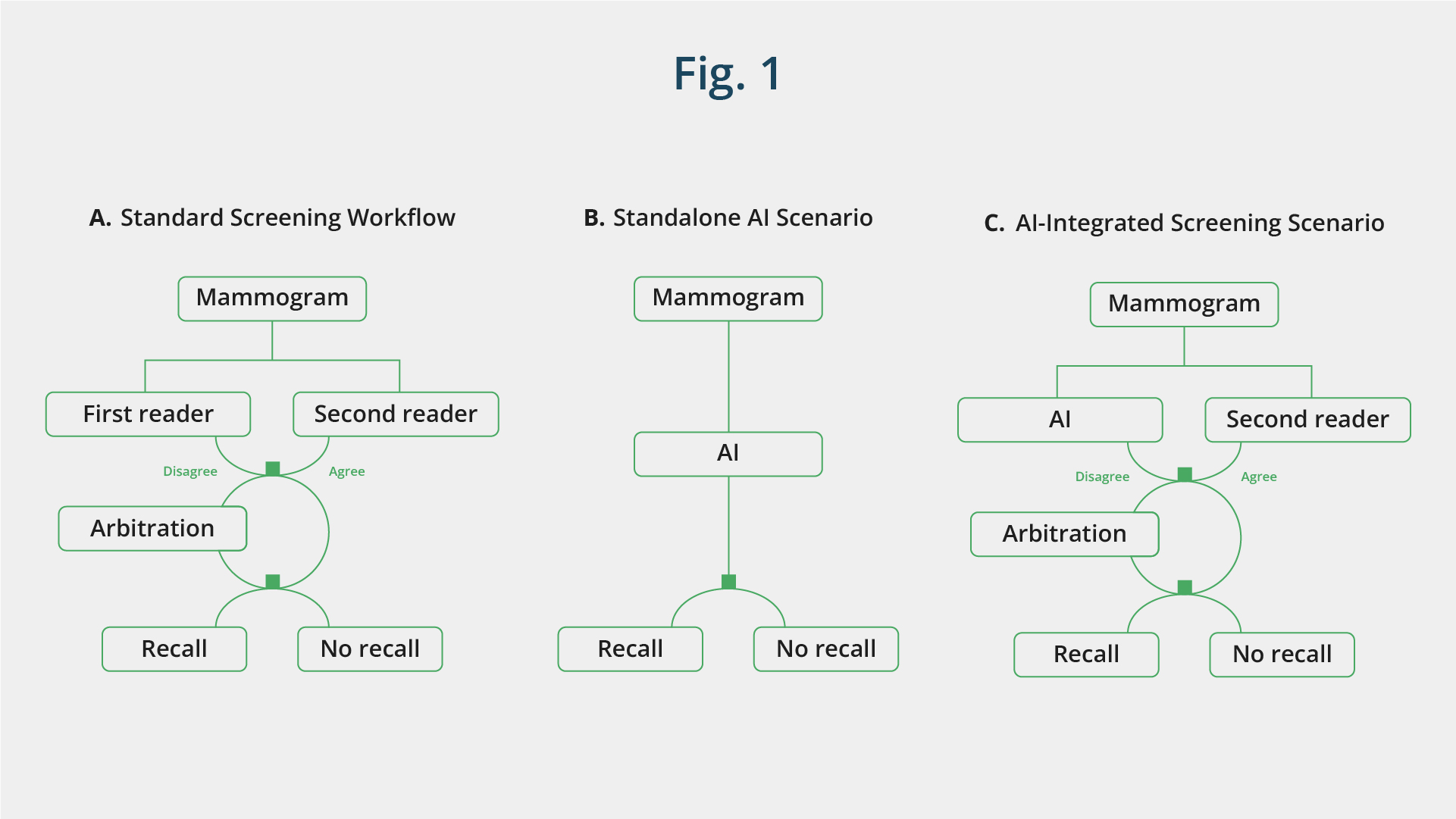
A fascinating case is that of Google's DeepMind, which, in cooperation with Moorfields Eye Hospital, developed an AI system with the ability to detect more than 50 eye conditions with an accuracy comparable to that of ophthalmology experts. This system analyzes optical coherence tomography (OCT) scans for diseases such as age-related macular degeneration and diabetic retinopathy, providing referral recommendations that are consistent with expert resolutions. Another notable case is IBM's Watson for Oncology, used to assist in formulating treatment suggestions for different types of cancer. Research has shown a high degree of agreement between Watson's recommendations and those of multidisciplinary tumor boards. For example, research involving 638 breast cancer cases revealed a 93% consensus between Watson's suggestions and tumor board decisions. Newer tools like Aidoc are providing real-time analysis of CT and MRI scans in over 900 hospitals. The system flags things like strokes and internal bleeding immediately, which gets patients into treatment much faster. Meanwhile, Microsoft’s MAI-DxO hits 85% accuracy on very messy, complex cases by using reasoning models that help with multi-step decision-making for rare conditions. The figure below shows the comparison between the standard screening workflow and AI integration scenarios.
Source: BMC
Artificial intelligence platforms such as Aidoc and Zebra Medical Vision are being put into use in emergency centers globally to simplify the early identification of diseases such as intracranial bleeding and lung embolisms. These instruments examine medical images to quickly detect critical discoveries, facilitating faster diagnoses and optimizing patient outcomes. For a detailed exploration of how artificial intelligence influences drug development, visit Kanda's article on the impact of AI on drug development.How does AI contribute to imaging and pathology?
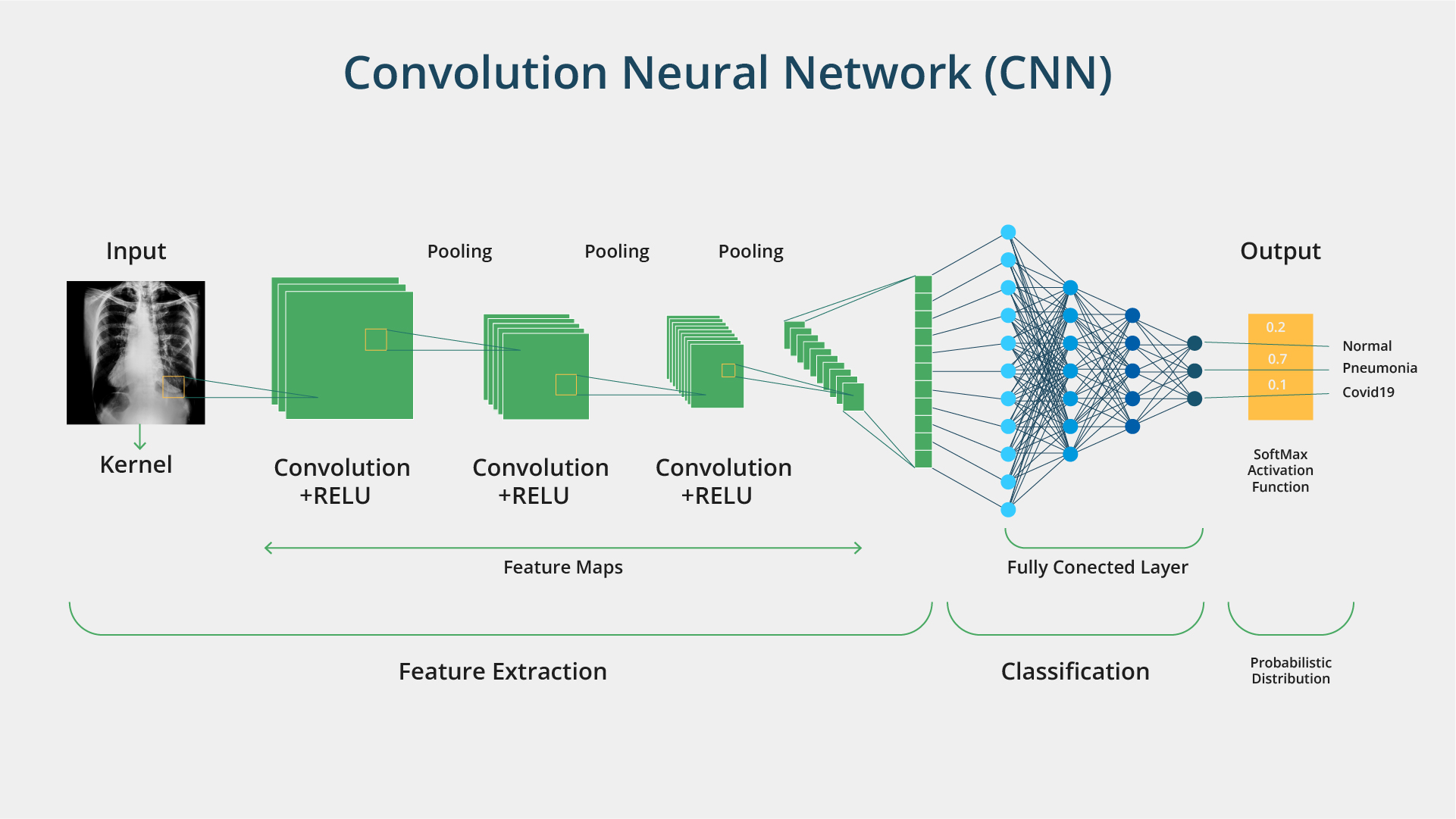
According to this study, technologies driven by artificial intelligence have shown great potential in tissue sample analysis, using sophisticated algorithms to precisely detect malignant cells. These systems use data from thousands of cases to train models that can surpass conventional methods in terms of speed and accuracy. These advances ensure earlier identification and more favorable treatment outcomes. Similarly, convolutional neural networks (CNN) are widely used to evaluate radiological examinations and identify minute irregularities imperceptible to the human eye. A study out of South Korea found that AI was 90% sensitive in detecting breast cancer, while human radiologists hit 78%. It was also 91% accurate in early detection. We see the same thing with skin cancer; deep learning is helping dermatologists catch melanoma earlier and more consistently.
Source: MDPI
Artificial intelligence accelerates the study of slides and provides highly efficient solutions that reduce diagnostic periods. Laboratories that incorporate artificial intelligence report not only increases in efficiency, but also greater agreement in diagnoses among pathologists. To learn more about artificial intelligence and imaging, visit Kanda's blog on AI in clinical imaging.What are the challenges of AI in diagnostics?
Artificial intelligence implementation does encounter the following challenges despite its potential:- Potentially unreliable information quality and bias: Algorithms are based on high-quality information. Inconsistent or biased data sets can produce unreliable results.
- Complicated regulatory approval: It is complicated and time-consuming to obtain approval from the FDA or EMA.
- Integration difficulties: The implementation of AI requires harmonization with current hospital systems, which can be challenging from a technological and economic standpoint.
- Need for trust and acceptance: Many doctors continue to be skeptical and afraid to place great trust in artificial intelligence tools without understanding how they work.
How can Kanda help you?
Kanda is committed to creating customized AI solutions for healthcare that transform diagnostic procedures and enable clinicians to deliver quicker and more accurate results. Kanda's experience reduces the gap between cutting-edge technology and its real-world application, from integrating machine learning models to developing extensive digital health platforms. Kanda's AI and machine learning services offer the tools and strategies to stay ahead, whether the goal is to enhance clinical decision support or improve imaging accuracy. Our expertise in software development for digital health products guarantees optimal integration and user-friendly solutions for healthcare organizations looking to apply AI in diagnostics. Talk to an expert to transform your diagnostic procedures and fully utilize the potential of AI today.Conclusion
The revolutionary effect of AI in diagnostics is evident. By increasing accuracy, streamlining procedures and supporting doctors, AI redefines what can be done in healthcare. With its ability to integrate large volumes of data, anticipate results and assist in decision making in real time, AI is filling the gaps that conventional methods cannot fill. From early cancer identification to emergency categorization systems, its uses are practical and will ultimately become fundamental to healthcare.Related Articles
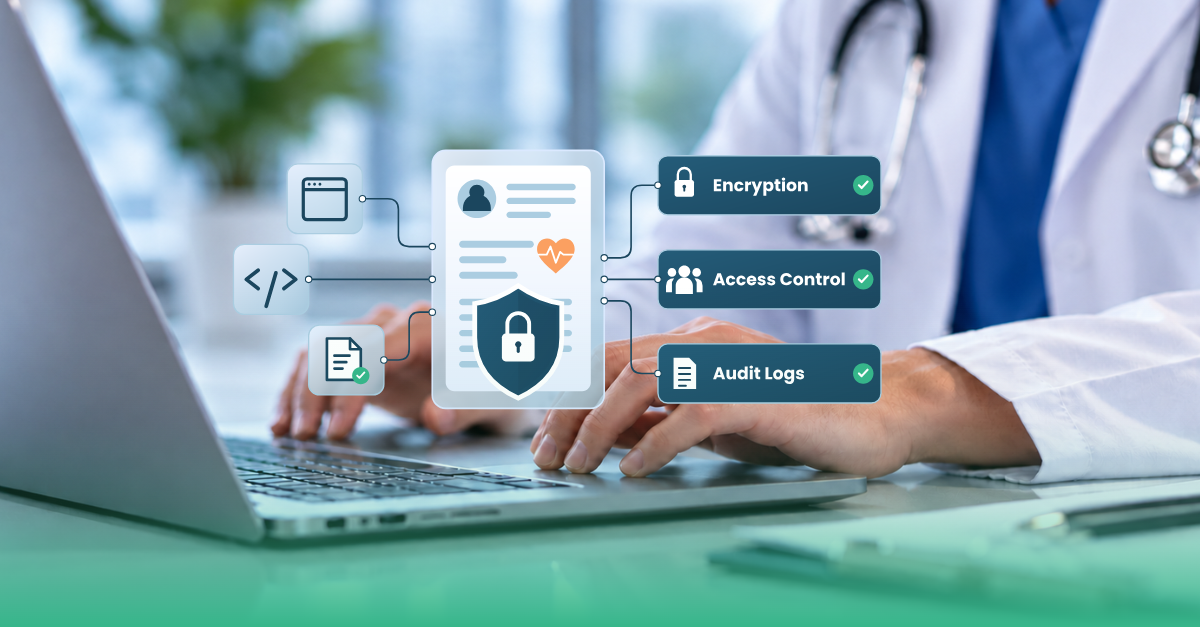
Complete Guide to HIPAA-Compliant Software Development 2026
Key Takeaways HIPAA-compliant software is an application that creates, stores, or transmits protected health information (PHI) and follows the Health Insurance Portability and Accountability Act. No agency certifies software as HIPAA-compliant. Teams demonstrate compliance with risk analysis records, safeguards, signed contracts, and audit logs. HIPAA applies to hospitals, clinics, insurers, and claims-processing clearinghouses, as well…Learn More
CMS Prior Authorization Rule 2026: What Health Systems and Payers Actually Need to Build by October 2027
Key Takeaways The 2026 CMS Prior Authorization (CMS-0062-P) rule extends electronic prior authorization requirements to drugs for the first time, closing a major gap left by the 2024 rule. The hard compliance deadline is October 1, 2027 - by that date, systems must be live, not in development or testing. Compliance requires three major technical…Learn More
Unlocking Actionable Insights from Medical Data with Clinical NLP
Key Takeaways Clinical NLP extracts useful details from notes, reports, and other free-text records so teams can work with them. The clearest use cases include coding support, trial matching, safety monitoring, registry work, and population health. The output is only useful if it connects to the standards healthcare teams already use: SNOMED CT, RxNorm, LOINC,…Learn More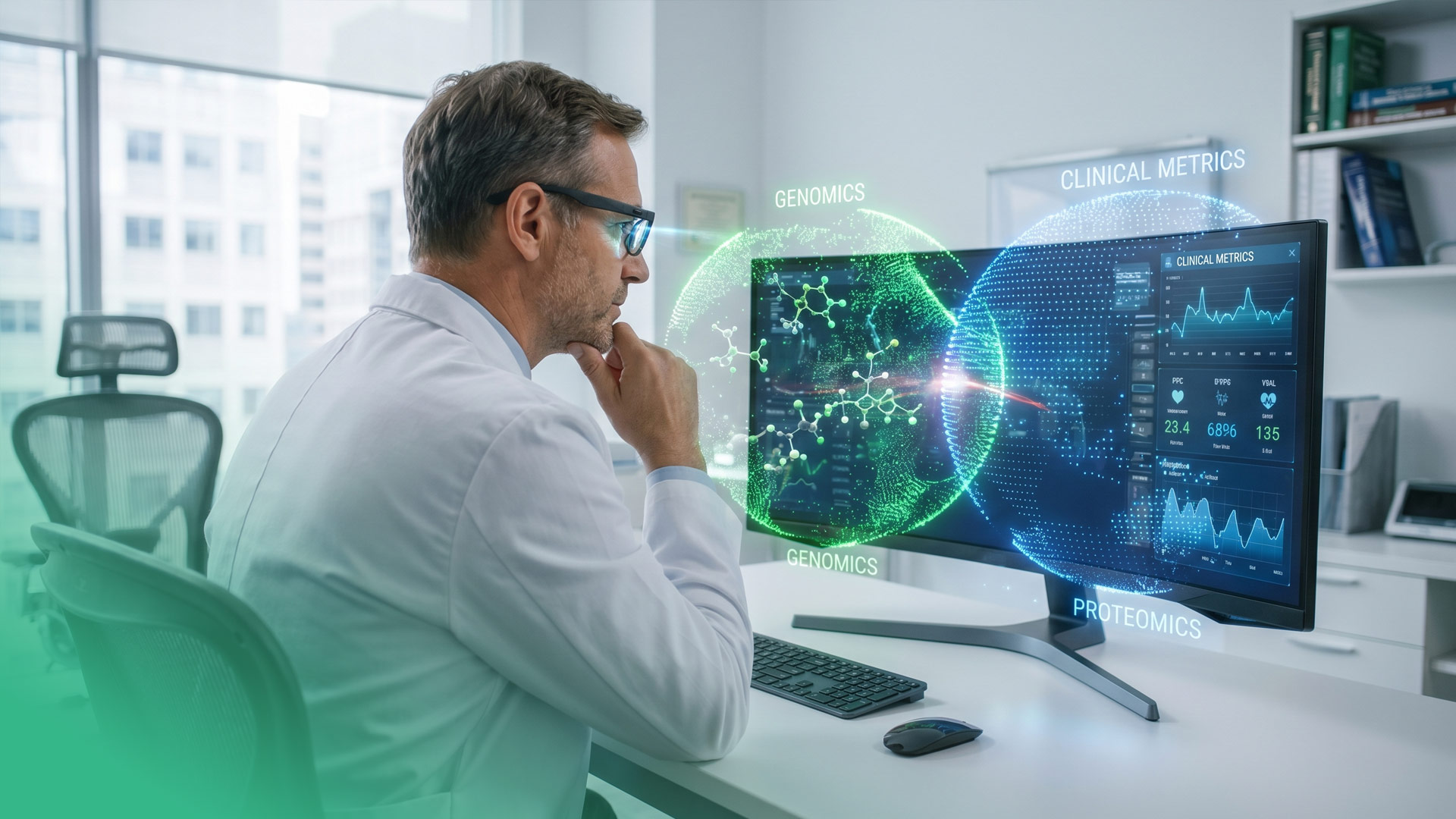
Why Omics and Clinical Data Integration Remain a Challenge and How to Fix It
Key Takeaways Omics and clinical data often remain separate, making them harder to use together than they should be. The main challenge is usually not the data itself, but the mismatched formats, siloed systems, and disconnected teams surrounding it Addressing that requires robust infrastructure, shared standards, and workflows that hold up without constant manual intervention.…Learn More